

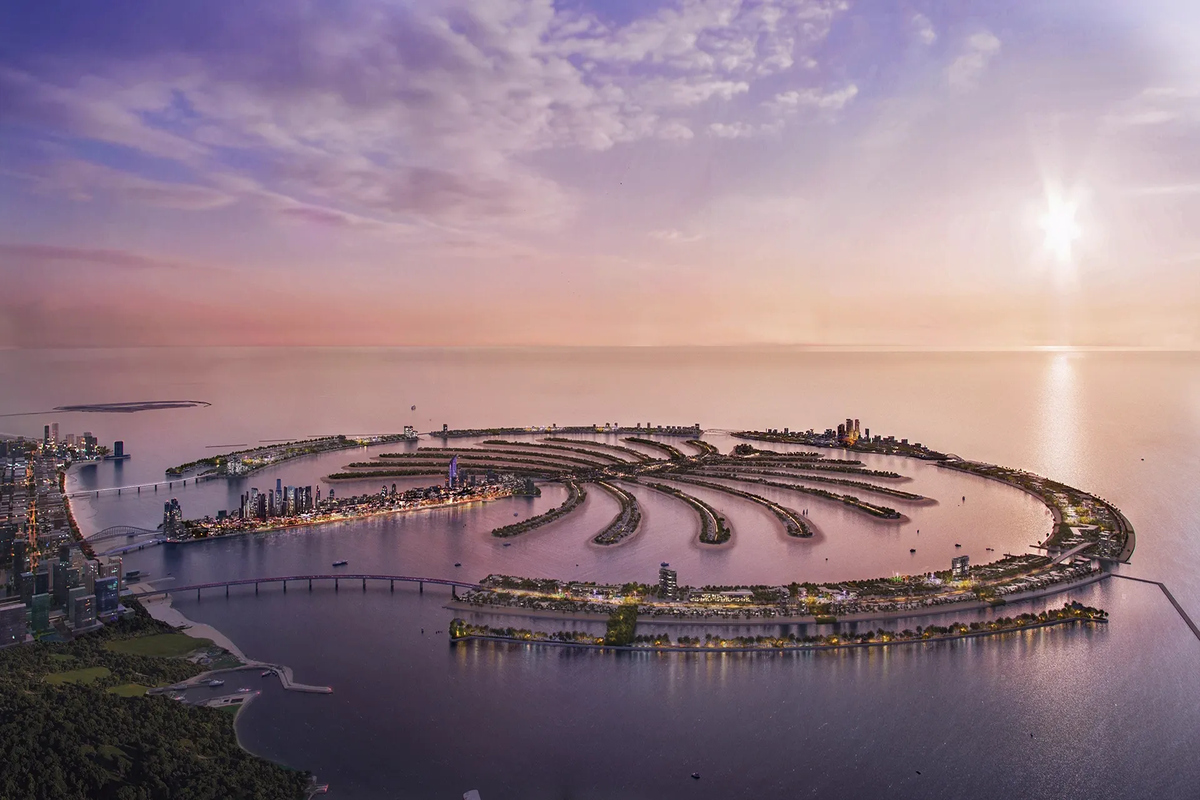
For the holiday-home sector, Palm Jebel Ali is an example of how new residential destinations could add to Dubai’s accommodation landscape. However, its potential as a holiday-home market will depend on how the destination develops, the properties available for short-term rental and the regulations governing their operation.
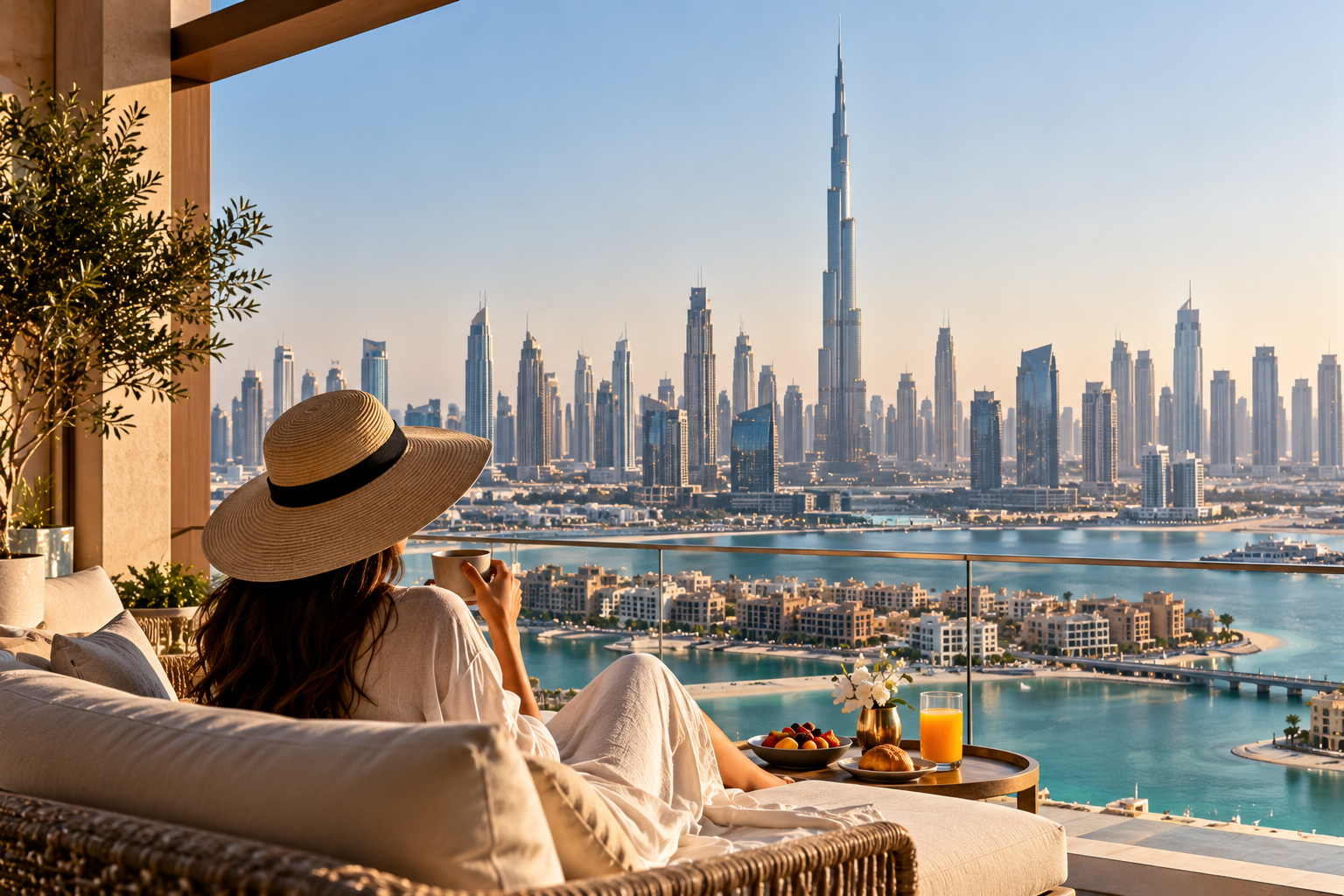
Palm Jebel Ali spans 13.4 kilometres and comprises seven interconnected islands, 16 fronds of the palm and more than 90 kilometres of beachfront. The masterplan includes residential communities alongside retail, leisure and community facilities.
Development activity has accelerated in 2026. In April, Nakheel awarded contracts worth more than AED 3.5 billion for the construction of 544 villas across Fronds A to F. Construction is scheduled to begin in 2026, with completion targeted for the fourth quarter of 2028.
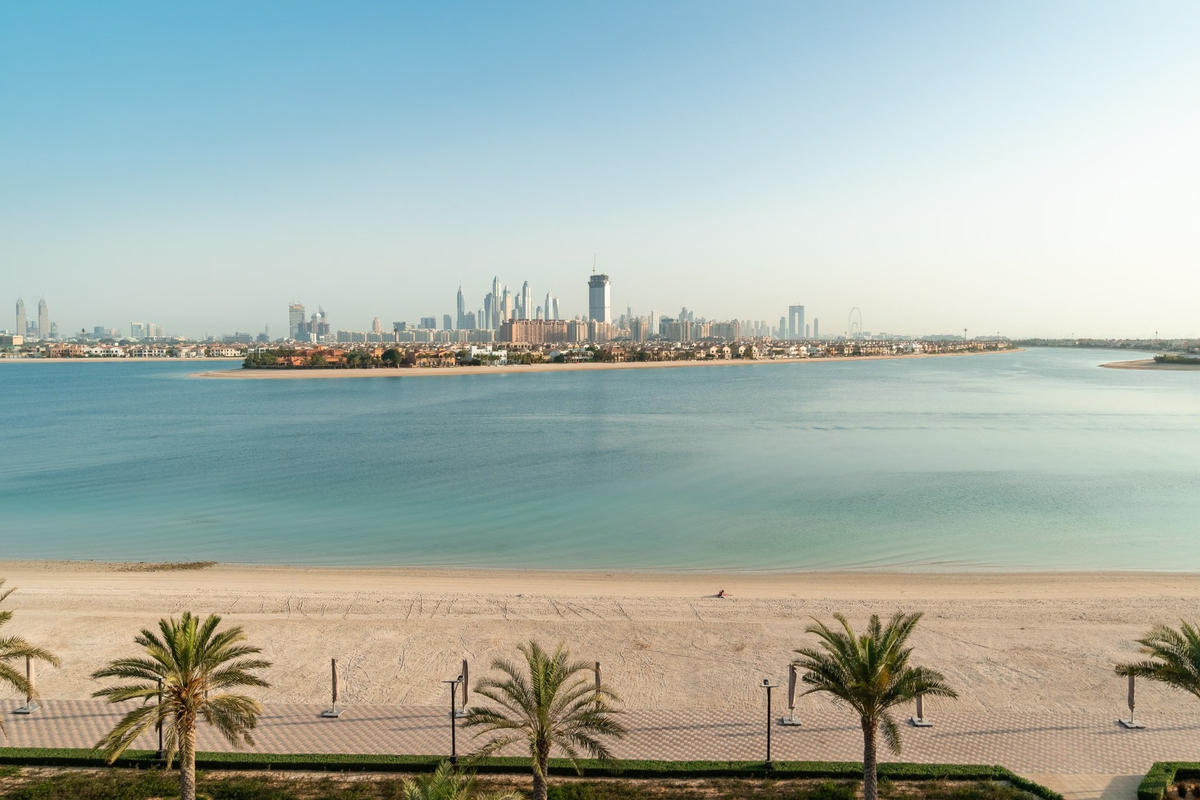 The project is also expanding its residential offering beyond standalone villas. In June 2026, Nakheel released the next phase of Palm Central Private Residences, adding residences across three low- to mid-rise buildings. The wider Palm Central development includes apartments and townhouses, alongside facilities such as a fitness centre, games room, kids’ club, infinity pools and landscaped areas.
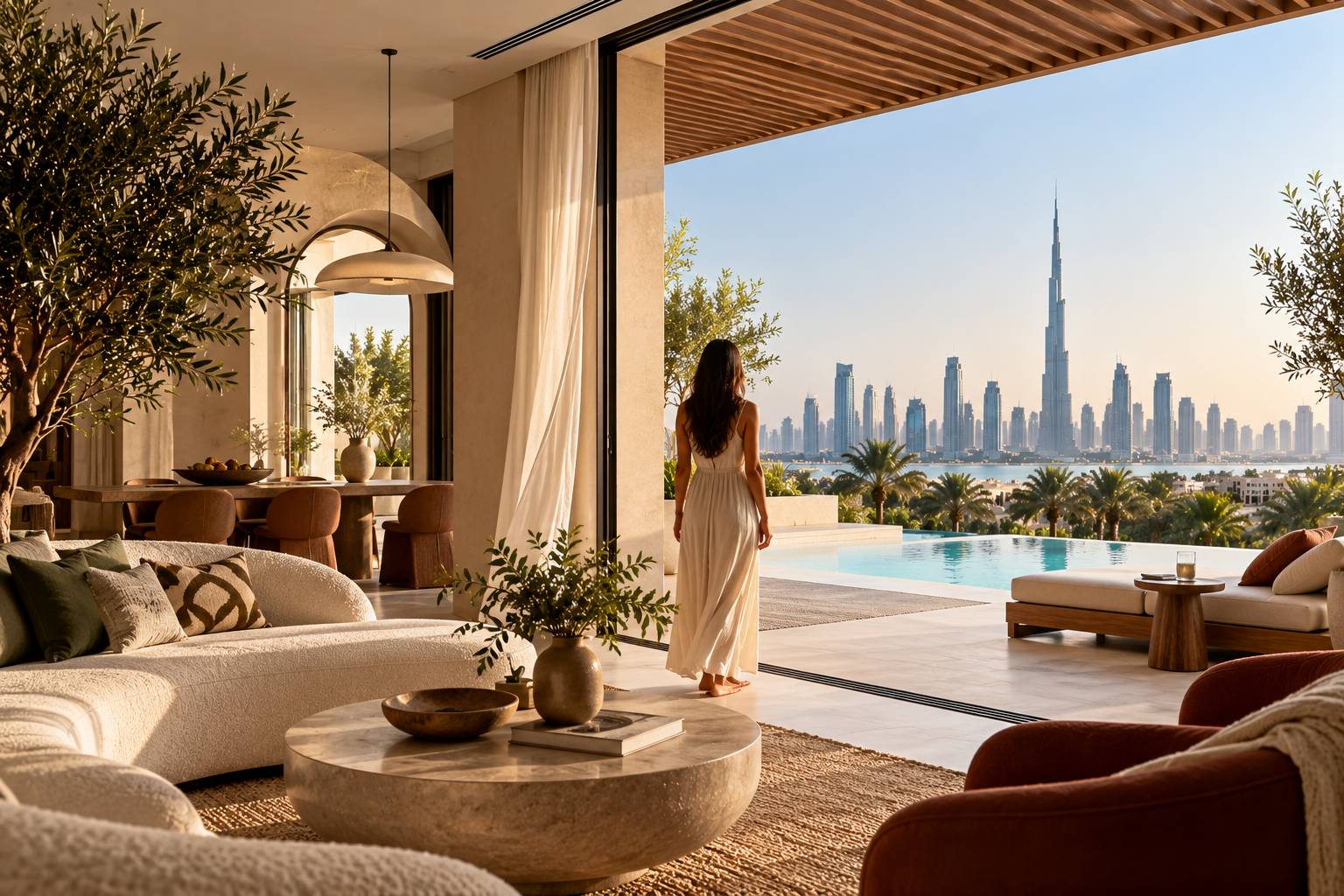
This variety of property types could eventually appeal to different visitor groups. Larger villas may suit families and groups, while apartments and townhouses can provide alternatives for couples, smaller groups and longer stays. The actual demand for holiday homes, however, will depend on factors such as accessibility, surrounding attractions, property availability and the profile of visitors drawn to the destination.
Palm Jebel Ali is also being developed with supporting infrastructure and community facilities. The wider masterplan includes a 9,000-square-metre retail center and a Friday Mosque designed by Skidmore, Owings & Merrill. Infrastructure work covering utilities, roads and other essential services are part of the development programme.
For holiday home operators and investors, this supporting infrastructure will be important as the destination develops. A new residential area needs more than properties to attract visitors. Accessibility, retail, leisure facilities, dining options and other services can all influence how useful and attractive a destination becomes for short-term stays.
Regulation will also be an important consideration. Dubai has an established framework for holiday homes, and properties must meet the applicable requirements and obtain the necessary approvals before operating as short-term accommodation. Investors should therefore confirm whether a specific property can be legally operated as a holiday home before purchasing it for that purpose.
The development timeline is another factor to consider. Palm Jebel Ali is being delivered in phases, with construction continuing across different parts of the destination. Nakheel confirmed in June 2026 that the first residential phases are progressing towards handovers, while additional villa construction is scheduled to continue through 2028.
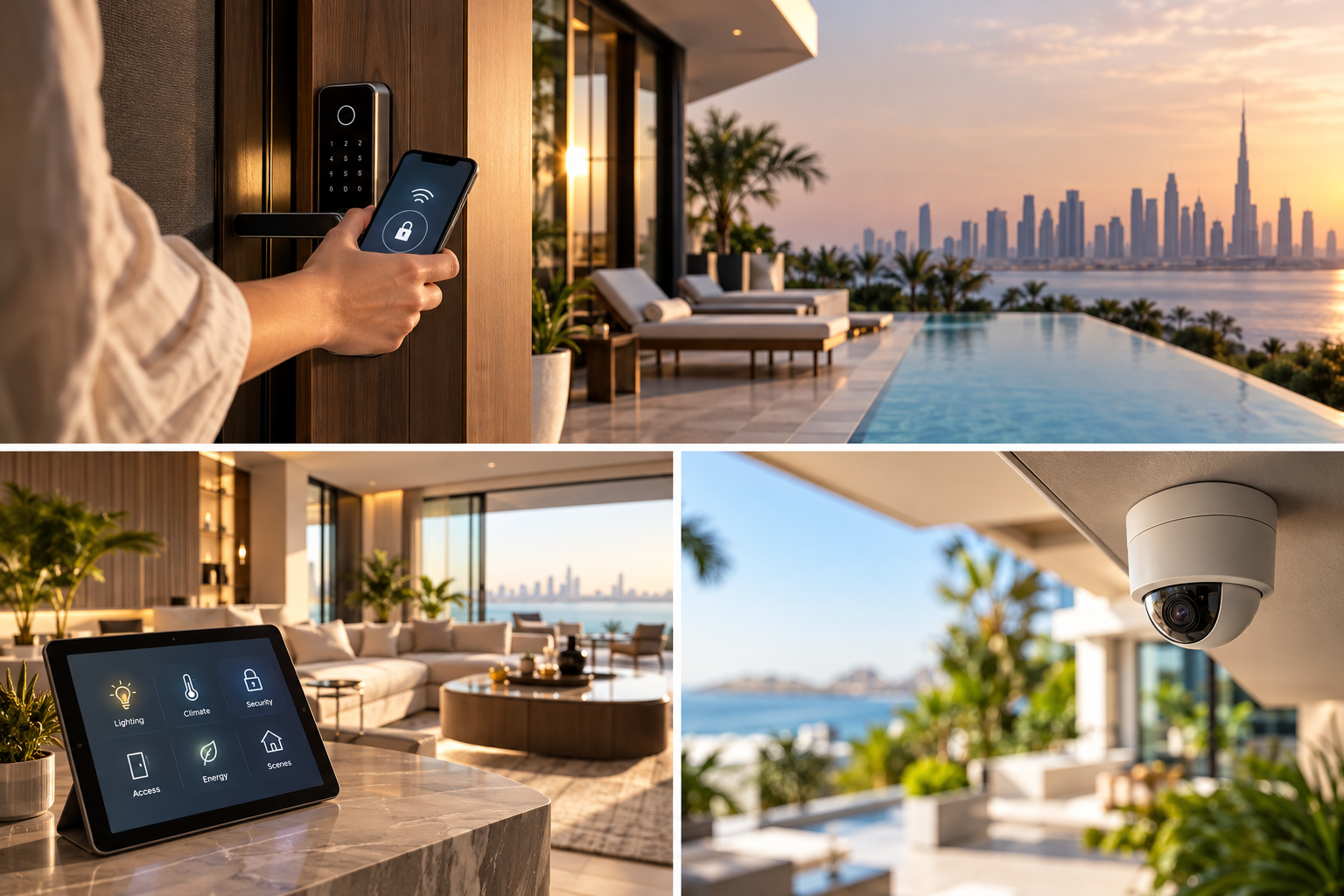
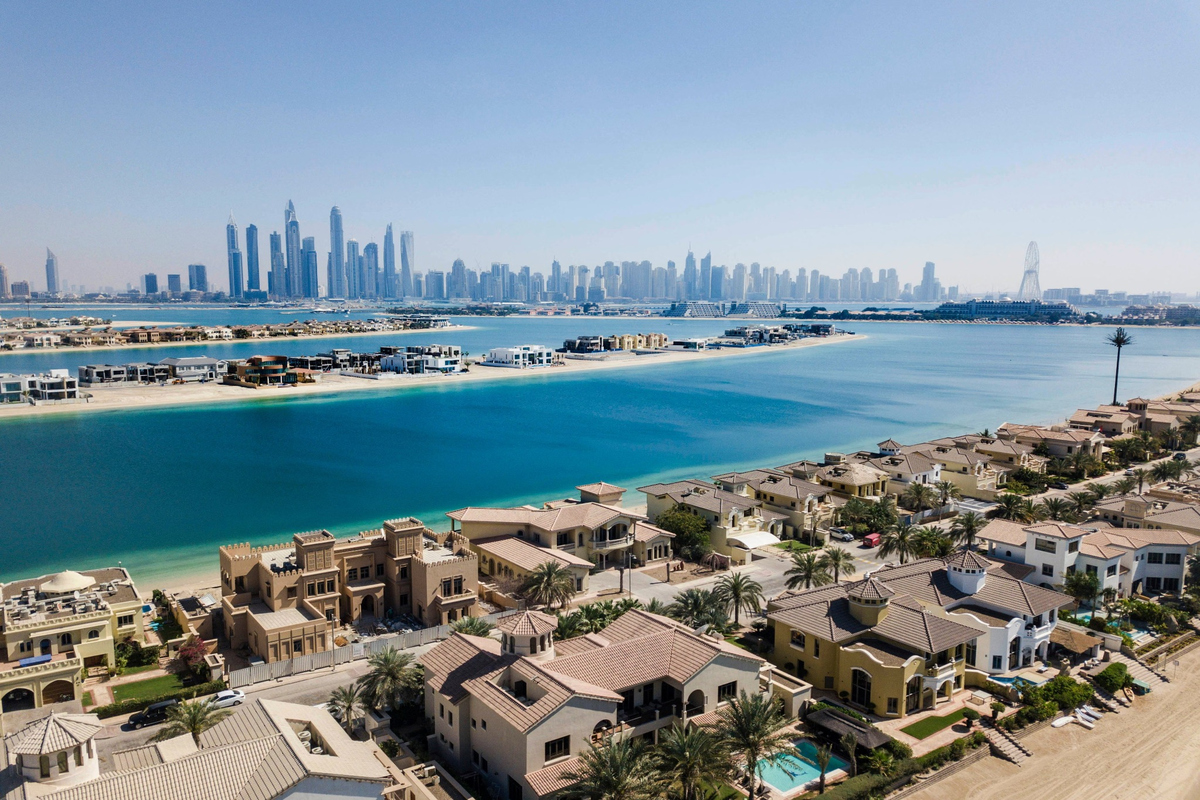 For property managers and service providers, the emergence of a large new residential destination could also create opportunities beyond accommodation. Cleaning, maintenance, property management, interior design, smart-home technology and guest services can all form part of the wider ecosystem required to operate professionally managed holiday homes.
Palm Jebel Ali is still developing, so its eventual role in Dubai’s holiday-home market cannot yet be determined. Established areas have the advantage of existing visitor demand, transport links and operating infrastructure, while emerging destinations can offer a different proposition as new communities and amenities take shape.
For investors considering the project, the key is therefore to look beyond the scale of the development. Property type, location within Palm Jebel Ali, completion timelines, operating costs, holiday-home regulations and future competition should all be considered before making an investment decision.
As construction progresses, Palm Jebel Ali will provide a useful example of how Dubai’s expanding coastline and new residential communities could influence the emirate’s future hospitality and holiday-home landscape.


Add Comment