

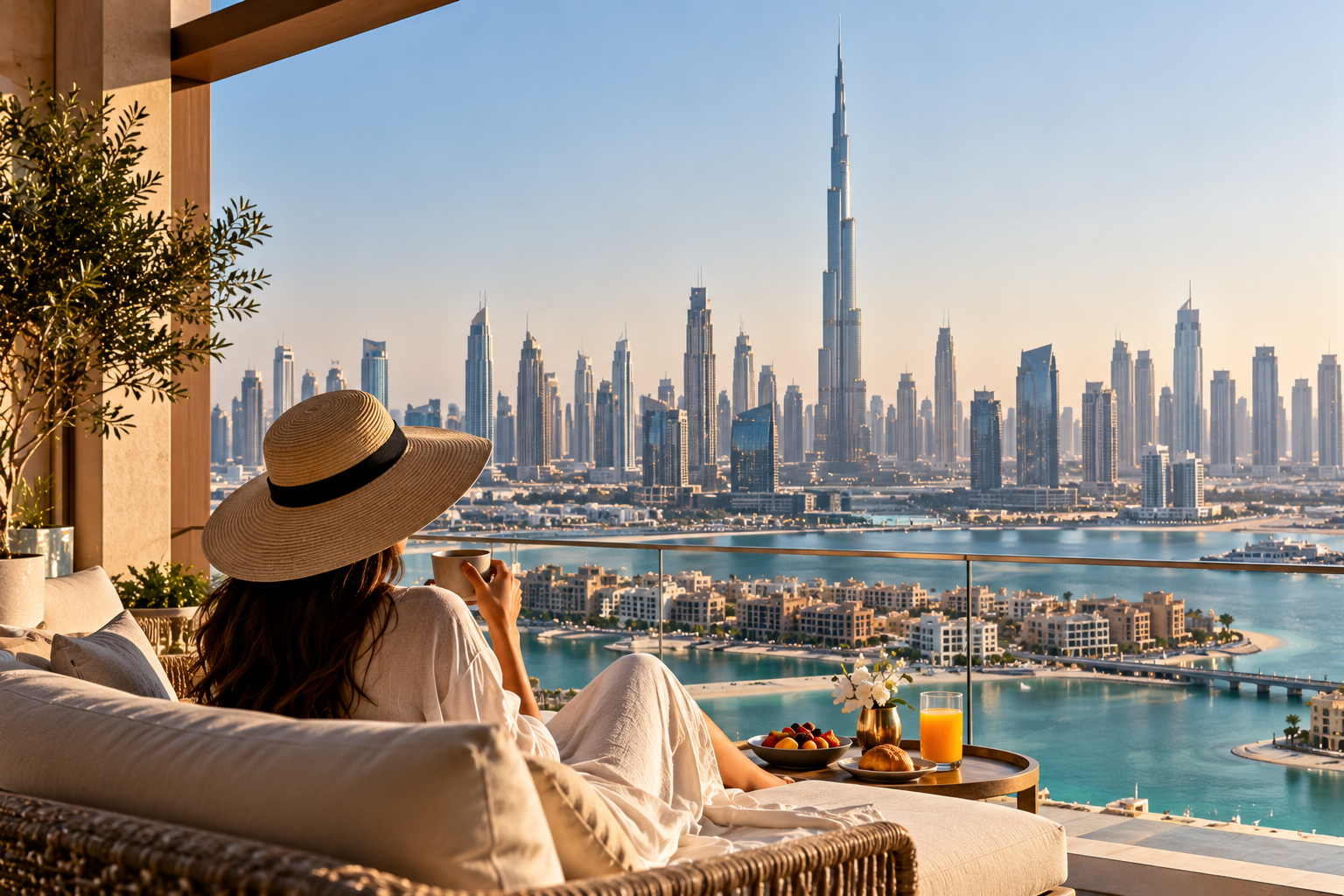
Hotels remain central to the region’s accommodation market, but a growing and increasingly wider range of visitors is also creating opportunities for serviced apartments, short-term rentals and professionally managed holiday homes.
For the holiday-home sector, this creates room for further growth. However, the opportunity will not look the same in every market. Connectivity, regulations, competition, destination maturity, property supply and traveller preferences will all influence where demand develops and which types of accommodation are best positioned to benefit.
Tourism is also playing an important role in the Gulf’s wider economic diversification plans. Across the region, governments are investing in transport, entertainment, culture and large-scale destinations to attract international and regional visitors. The UAE Tourism Strategy 2031, for example, aims to raise tourism’s contribution to the country’s GDP to AED 450 billion, attract AED 100 billion in additional tourism investment and welcome 40 million hotel guests. The strategy also calls for greater diversification of the country’s tourism offering.
Dubai already demonstrates the scale of this growth. According to Dubai’s Department of Economy and Tourism, the emirate welcomed 19.59 million international overnight visitors in 2025, compared with 18.72 million in 2024. The 5% increase marked a third consecutive record year for the city’s tourism sector.
For holiday homes, rising visitor numbers can expand the overall accommodation market, but tourism growth alone does not guarantee that every property will benefit. Location, property type, pricing, service standards and the needs of different guest groups will all influence demand.
Saudi Arabia is developing another major tourism market. Under Vision 2030, the Kingdom is investing in new destinations, hospitality, infrastructure and visitor experiences. The Red Sea is already welcoming guests, with Four Seasons Resort and Residences Red Sea at Shura Island receiving its first guests in May 2026.
AlUla is also developing as a major cultural and tourism destination. The Royal Commission for AlUla reports that the destination welcomed around 320,000 visitors in 2025, while approximately 1,000 hotel rooms are currently operational and more than 3,000 additional hotel rooms are planned. The destination also has a growing programme of cultural, sporting and entertainment events.
These developments raise an important question for the holiday-home sector: what type of accommodation do different visitors want?
A family travelling for a longer stay may value multiple bedrooms, a kitchen and separate living areas. A business traveller may prioritise a workspace, reliable connectivity and convenient access to commercial areas. Other visitors may place greater importance on privacy, location or access to local experiences.
This means tourism does not automatically translate into demand for every type of holiday home. Opportunities are likely to depend on how closely a property matches the visitors a destination is attracting.
A resort destination may appeal to leisure travellers looking for larger properties, outdoor space and longer stays, while an urban market may attract business travellers, families and visitors combining work with leisure. The accommodation needs of these groups can be very different.
Length of stay can also influence demand. Travellers staying for several nights or weeks may place greater value on kitchens, laundry facilities, separate living areas and other features that make a property feel more like a home. As visitor profiles become more varied, operators may therefore need to look beyond simply providing accommodation and consider how a property fits into the way different guests travel.
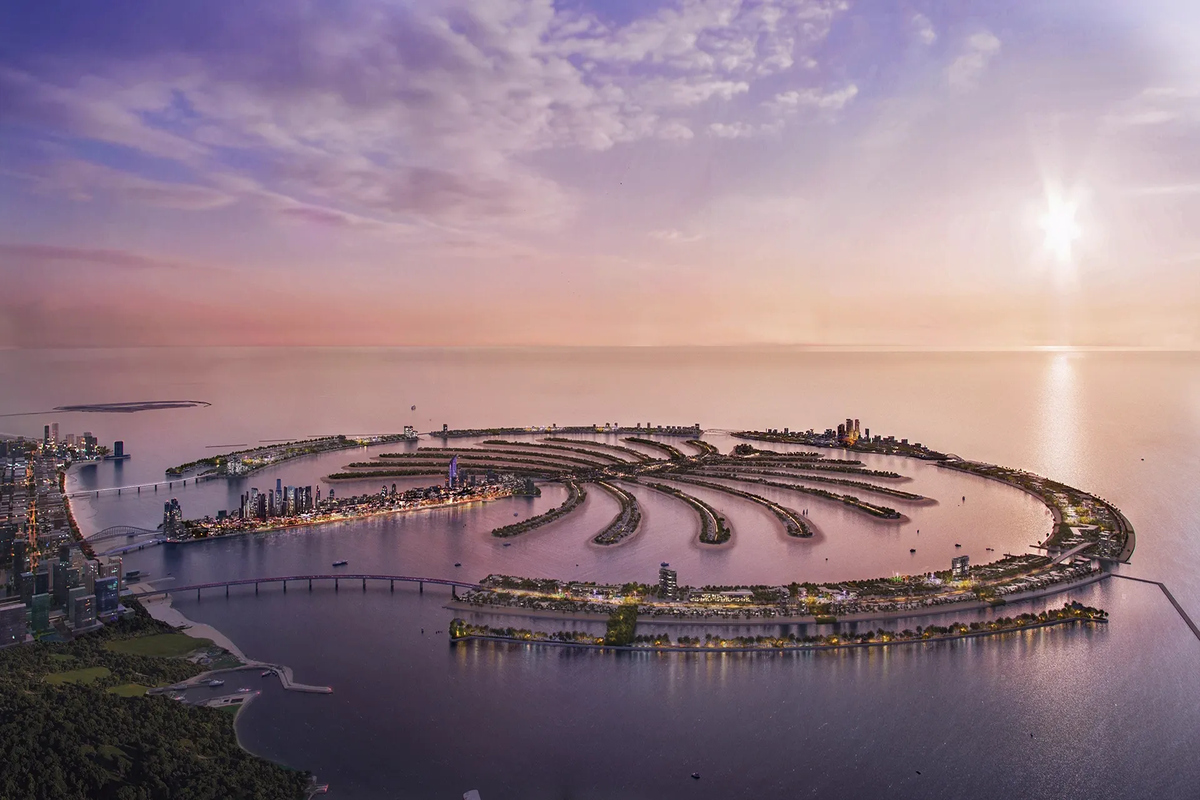
Destination maturity is another factor. Established markets may already have strong visitor numbers, transport links and supporting infrastructure, but they also tend to have greater competition. Emerging destinations can offer new opportunities, but demand may take time to develop as infrastructure, attractions and accommodation supply grow.
For investors and developers, this makes destination selection more important. A new tourism project may attract significant investment and international attention, but its long-term accommodation potential will depend on factors such as accessibility, visitor numbers, length of stay, competing supply and the type of traveller it is designed to attract.
Regulation is equally important. Dubai, for example, has an established regulatory framework for holiday homes. Apartments and villas must be registered and approved by the Department of Economy and Tourism before they can be listed as holiday homes, with licensing, permits and technical requirements forming part of the framework.
For investors and operators entering a new market, understanding these requirements from the beginning can help determine whether a property is suitable for holiday-home use and what costs or operational requirements may be involved.
The growth of tourism is also creating opportunities around the properties themselves. Holiday homes depend on a wider network of businesses, including cleaning and maintenance providers, property managers, interior designers, furniture suppliers and technology companies. As the number of professionally managed holiday homes increases, demand for these supporting services can grow alongside the accommodation market.
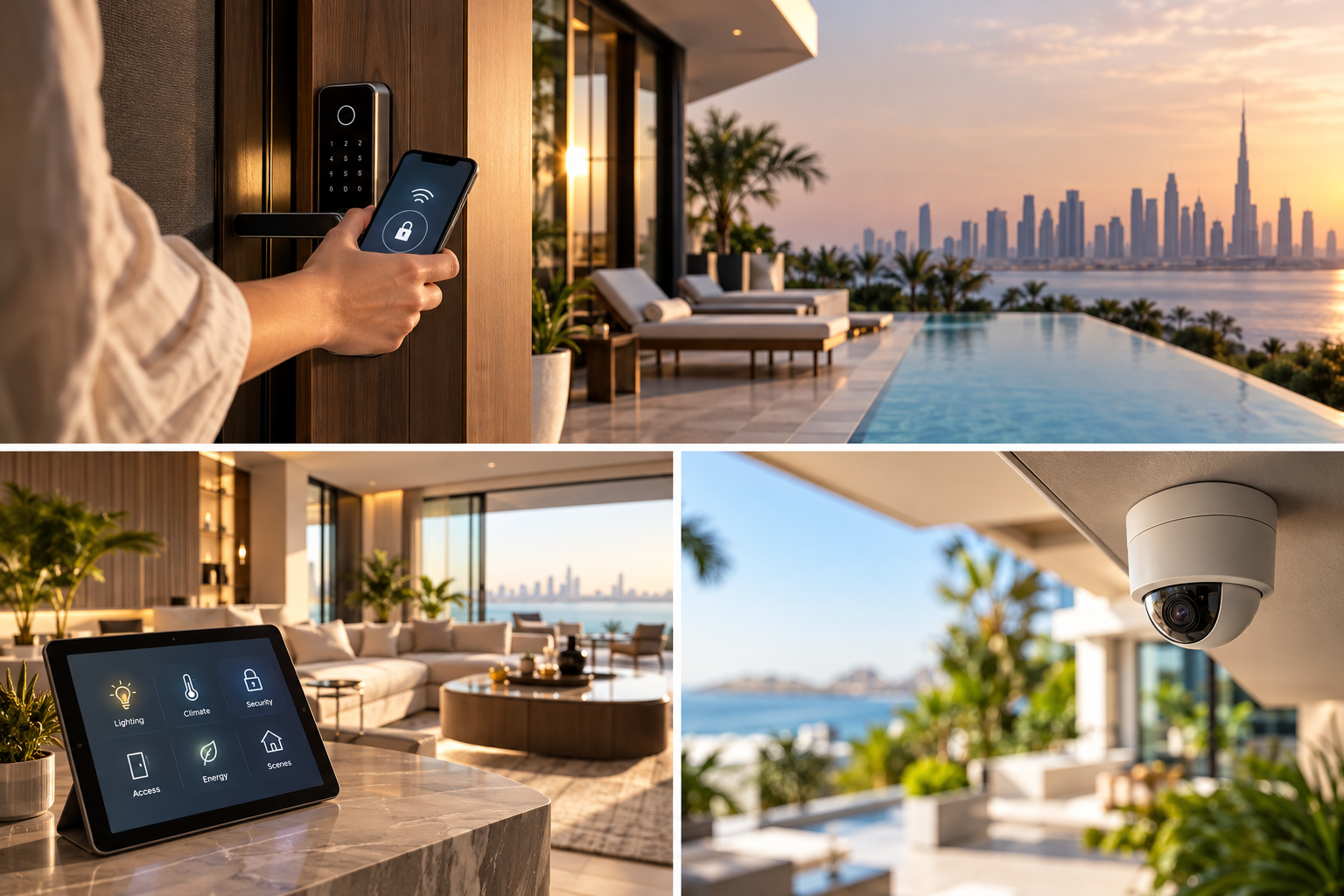
Technology is contributing to this shift as well. Property-management platforms, digital check-in systems, smart-home controls and automated guest communication can help operators coordinate properties and services more efficiently. For businesses managing multiple units, these tools can support day-to-day operations, although technology remains a complement to good management rather than a replacement for it.
The growing tourism market presents both opportunities and challenges for the holiday-home sector. More visitors can increase demand for accommodation, but new developments can also bring greater competition. Emerging destinations may offer opportunities for early entrants, while established markets often benefit from stronger infrastructure and more consistent demand. At the same time, regulations can meet requirements for operators, while higher professional standards can improve the overall quality of the sector.
For holiday-home investors and operators, the key is to look beyond tourism numbers. A destination attracting millions of visitors does not automatically make every property a strong holiday-home opportunity. The more important questions are who is visiting, how long they stay, where they want to stay, what accommodation is already available, and how the market is regulated.
The same principle applies as new destinations come online. As the Middle East continues to invest in tourism, the holiday-home sector will have opportunities to grow alongside it, but success will depend on matching the right properties to the right markets and the right guests.
Holiday homes are not replacing hotels. Instead, they are becoming an increasingly important accommodation option for a more diverse range of travellers. As established destinations continue to expand and new tourism markets emerge, the strongest opportunities are likely to come from operators and investors who understand not only where tourists are going but also how they want to stay when they get there.





Add Comment