
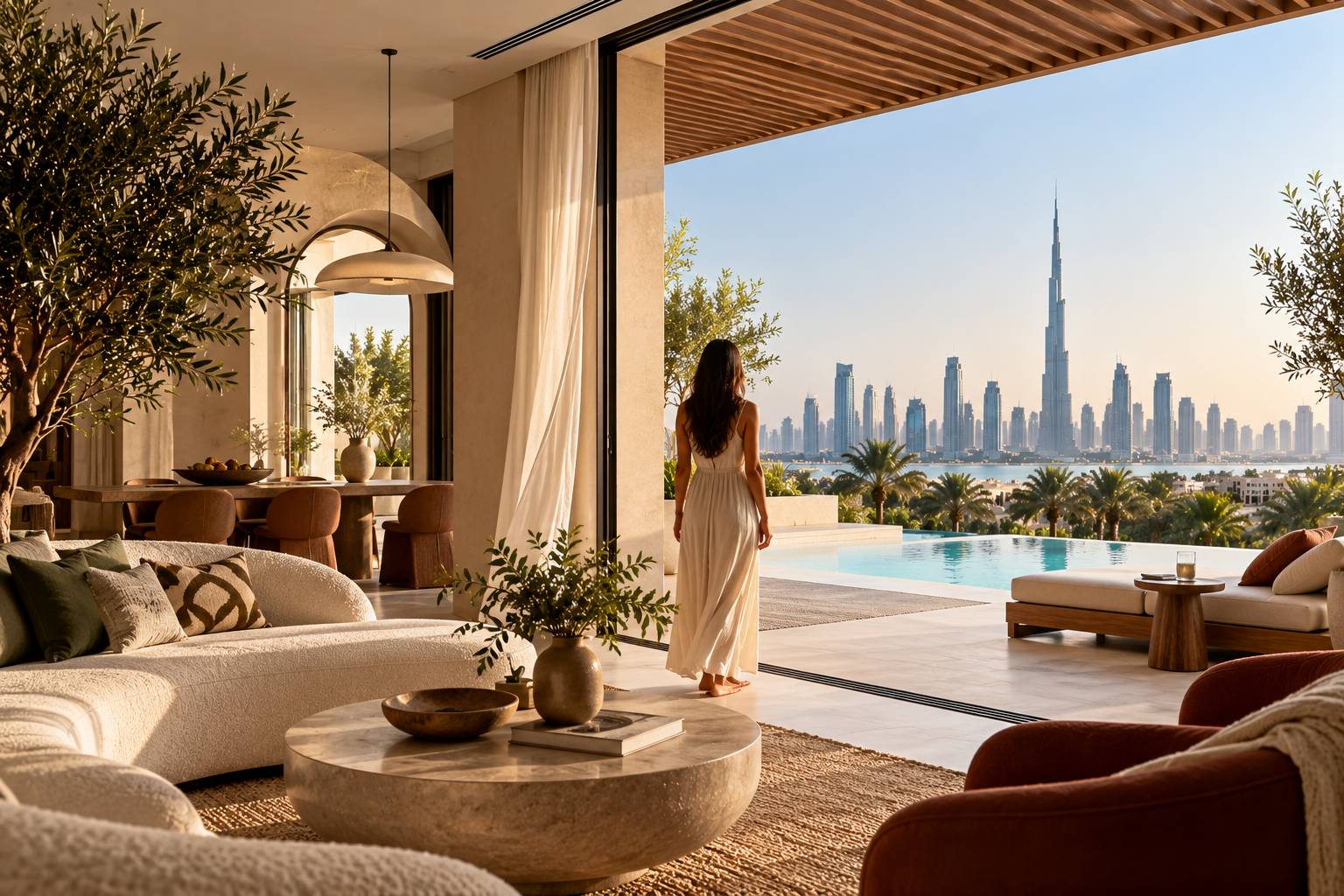
Today, design goes beyond appearance. The way a property is planned, furnished and presented, can influence comfort, functionality and how guests experience the space. In the Middle East, holiday-home design is increasingly balancing visual appeal with the way people live, relaxing and spending time on a property.
From natural elements and indoor-outdoor living to flexible spaces, wellness features and regional influences, these six design directions are shaping the look and feel of holiday homes.
 Biophilic Design
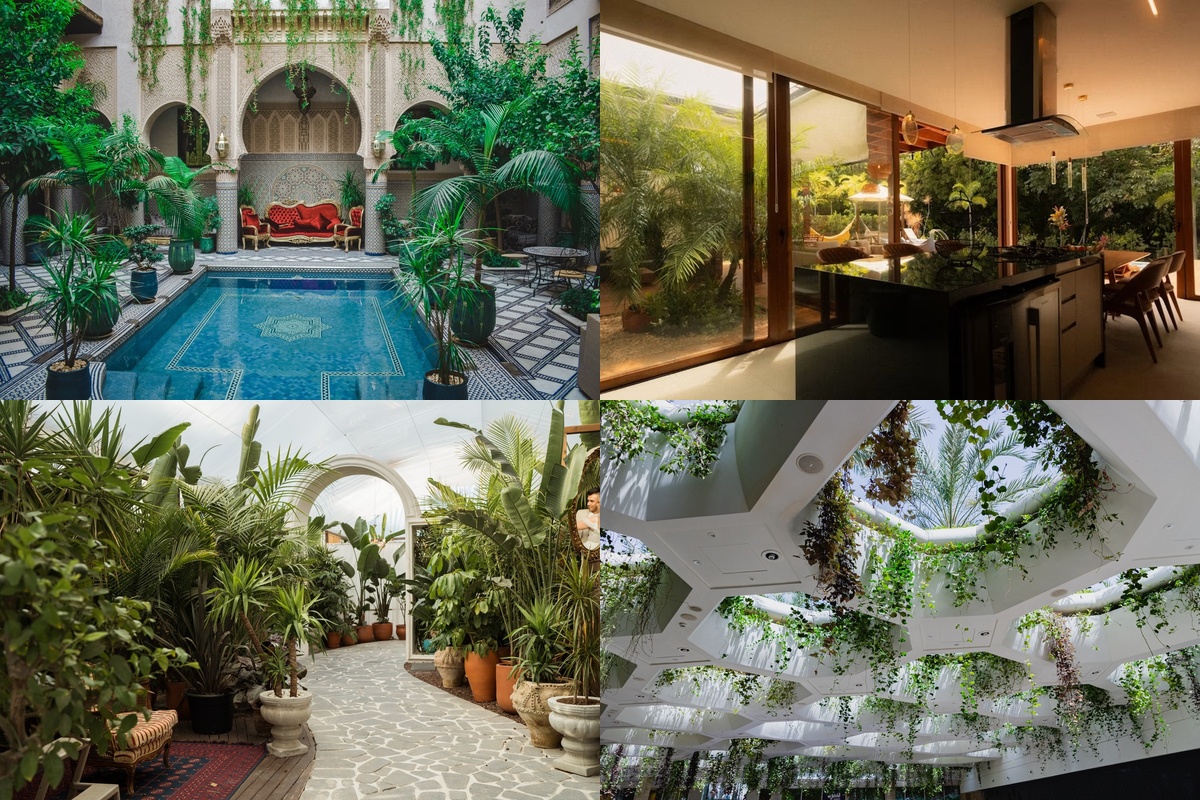
Biophilic design focuses on creating a stronger connection between indoor spaces and the natural environment. Plants, natural materials, daylight and views of outdoor areas can all contribute to this approach.
In holiday homes, particularly villas and larger properties, these elements can create a calmer and more welcoming atmosphere. Indoor greenery, stone finishes, natural wood, landscaped gardens and large windows can help connect the interior with its surroundings.
The approach does not have to involve major changes. Even a considered selection of plants, natural textures or better use of daylight can bring elements of nature into a property.
 Indoor-Outdoor Living
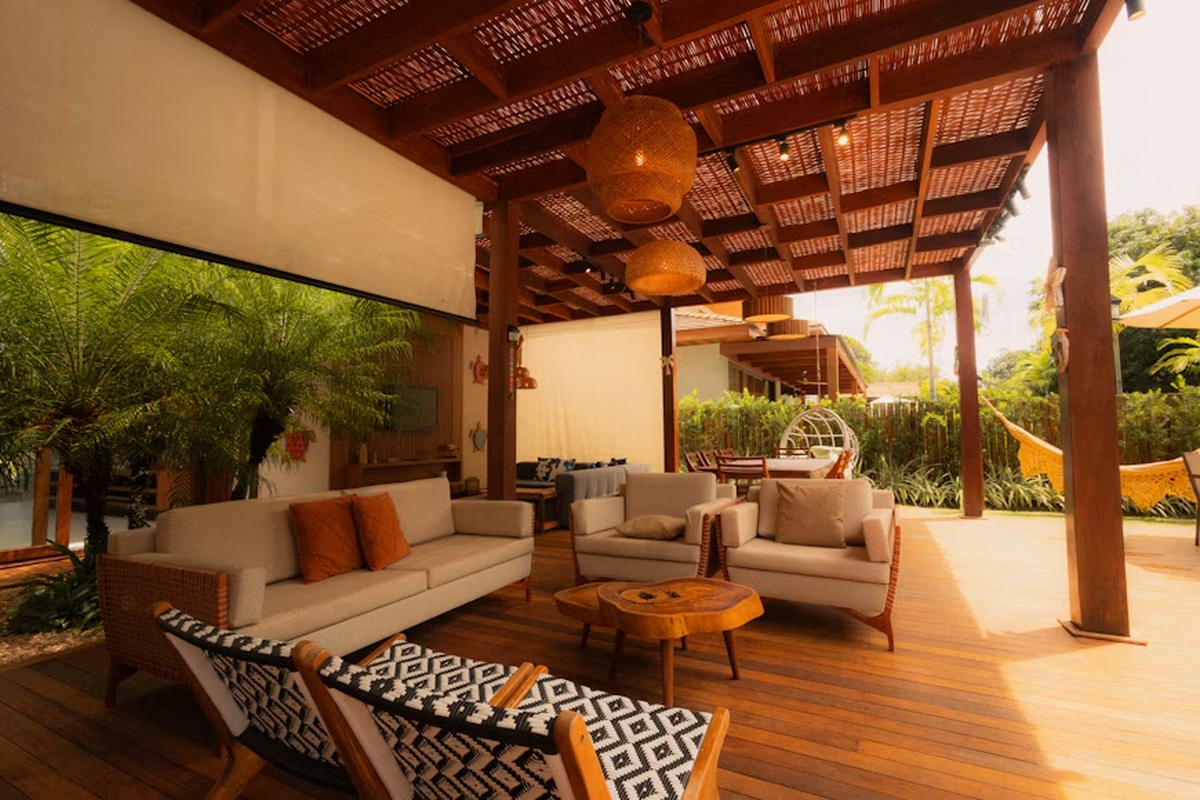
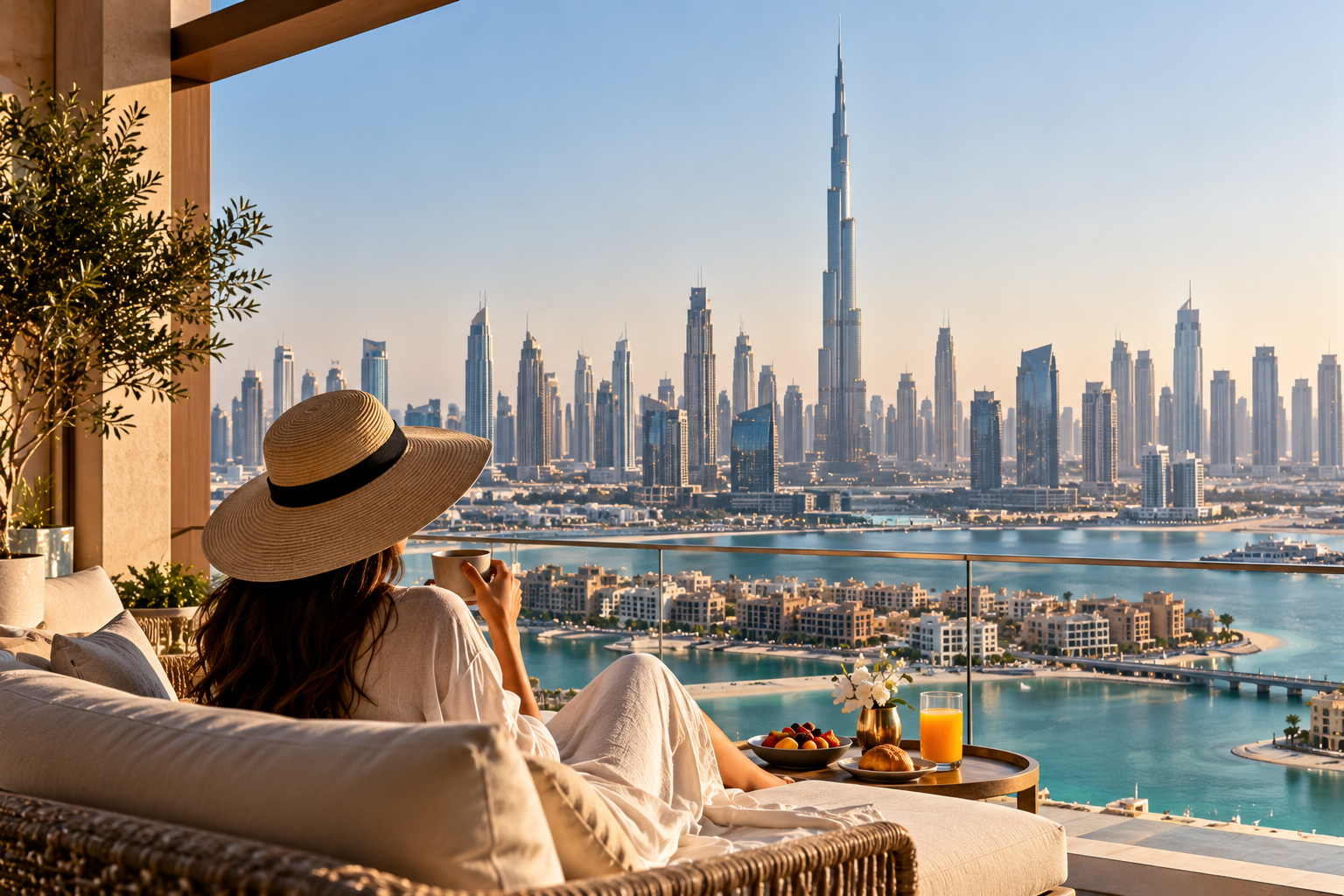
Outdoor areas are an important feature of many residential and hospitality properties across the Gulf. Terraces, gardens, pools and shaded seating can extend the usable living space while creating additional areas for dining, relaxation and entertainment.
For holiday homes, these spaces can be particularly valuable for families and groups looking for more room and privacy. The transition between indoors and outdoors can also become part of the property’s design, with large openings, consistent materials and coordinated landscaping creating a more connected feel.
 Flexible Spaces
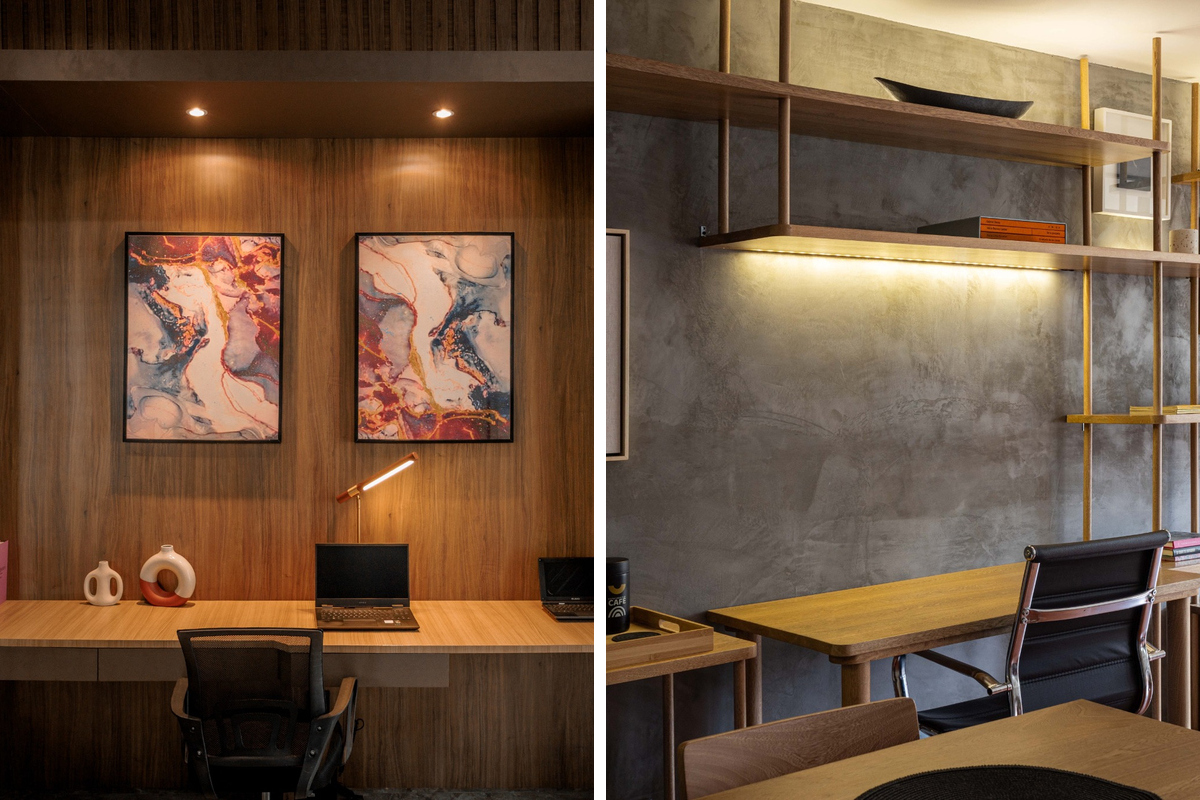
Holiday homes need to accommodate different types of guests and stays, from short family breaks to business trips and longer visits. This influences how spaces are planned and furnished.
A dining area can double as a workspace, while a flexible room can serve different purposes depending on the guest. Foldable furniture, multifunctional rooms, and dedicated workspaces can help properties adapt without requiring a larger footprint. For operators, flexibility can also make property suitable for a wider range of guests and stay types.
 Wellness Spaces
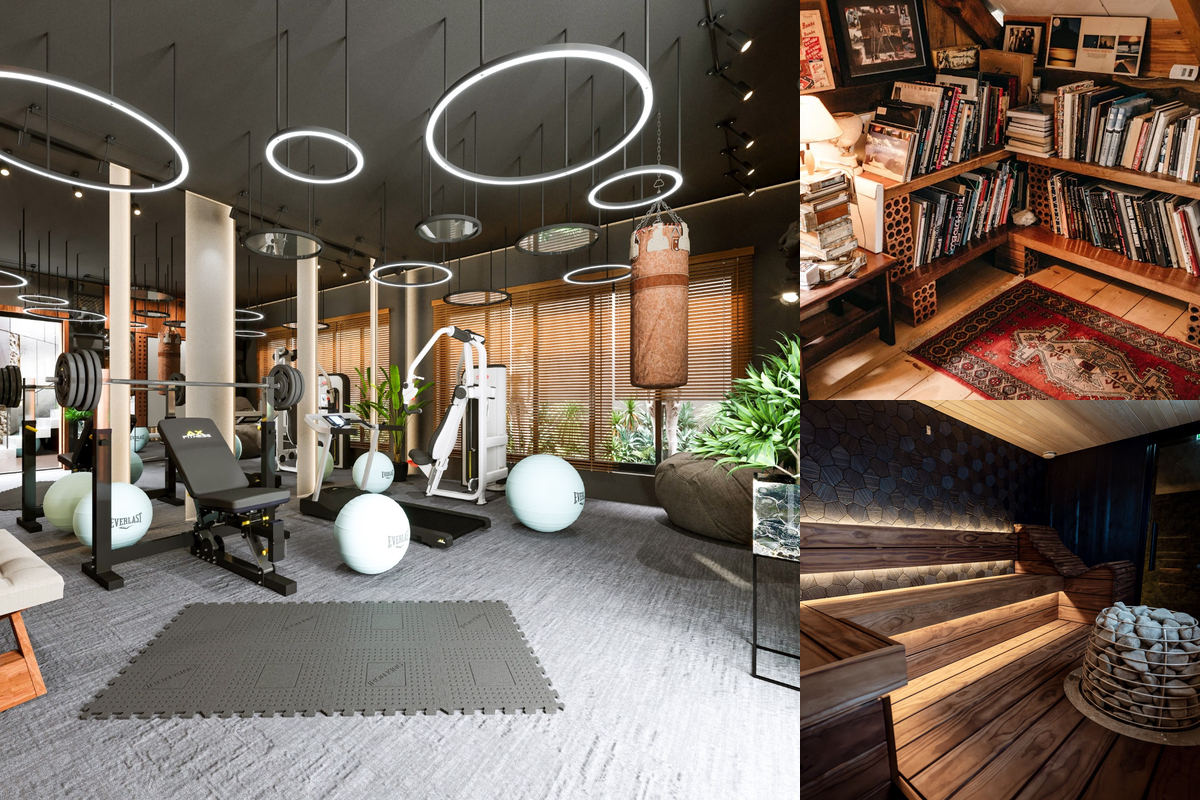
Wellness is becoming an increasingly visible part of hospitality design, with greater attention given to spaces that support relaxation.
In holiday homes, this can include home gyms, yoga areas, spa-inspired bathrooms, reading corners, or carefully designed outdoor seating. A dedicated wellness room is not always necessary. Good lighting, comfortable furniture, a quiet corner or a well-designed bathroom can all contribute to a more relaxing environment.
The emphasis is on creating spaces where guests can slow down and enjoy the property as part of the holiday experience.
 Regional Identity
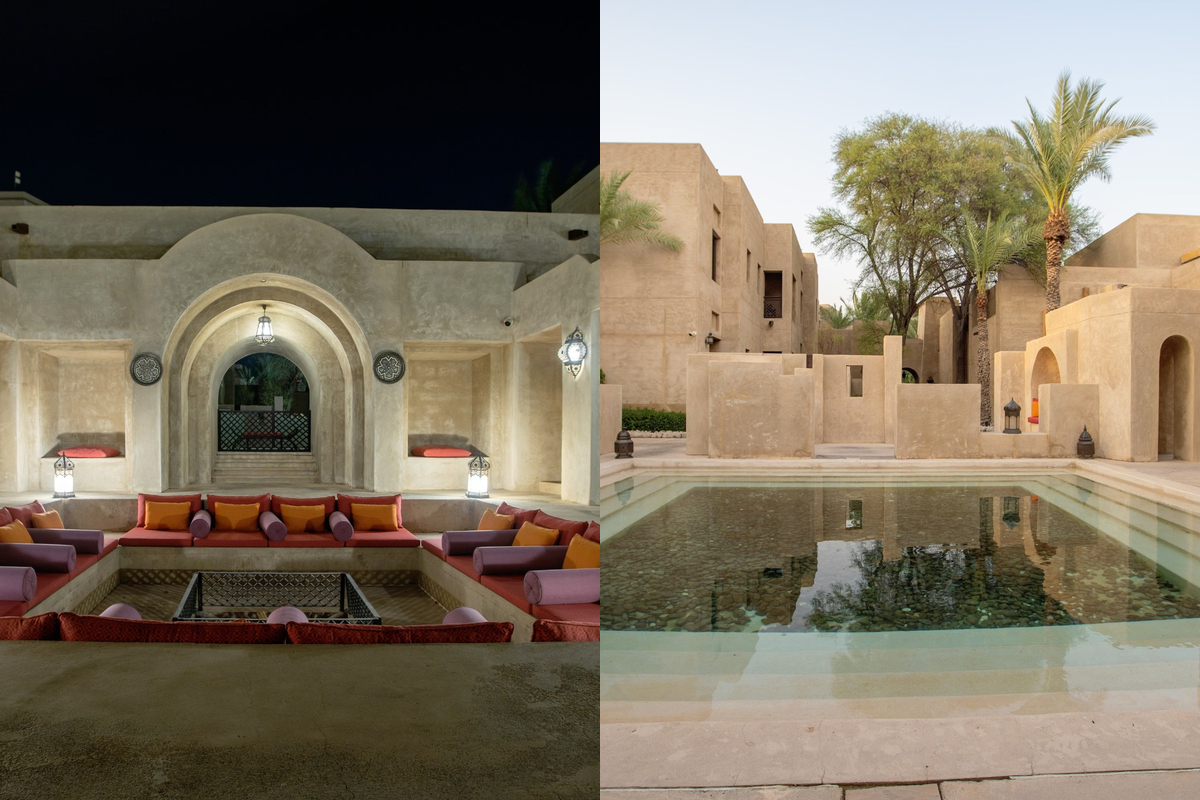
Holiday homes can also draw inspiration from the character of their location. Contemporary interiors can incorporate natural stone, arches, geometric patterns, handcrafted details, and locally inspired artwork to introduce regional influences without becoming overly traditional.
These details can give a property a stronger sense of place and create a more distinctive visual identity. A contemporary arch, a locally inspired artwork, or a carefully selected decorative piece can add character while keeping the overall design modern. For properties in destinations with a strong architectural or cultural identity, these references can also make the stay feel more connected to its surroundings.
 Pattern on Pattern
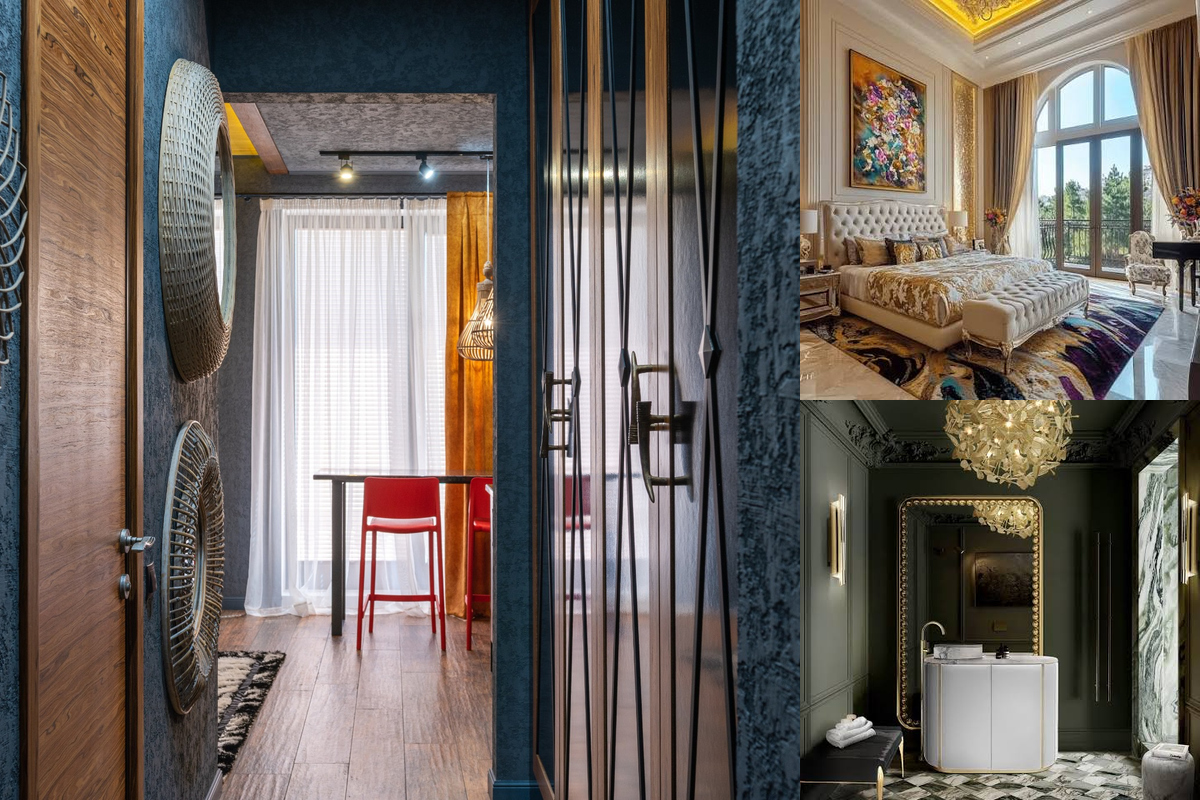
Patterns can bring personality and visual interest to a holiday-home interior. Rugs, cushions, curtains, wallpaper and upholstery can be layered to create spaces that feel more expressive and distinctive.
The key is balance. Complementary colours, different pattern scales and neutral elements can prevent space from becoming overwhelming. When used thoughtfully, patterns can create memorable interiors and give individual rooms a stronger identity.
This can be particularly useful for holiday homes, where distinctive interiors can also create more visually engaging photographs for property listings and marketing.
The future of holiday-home design in the Middle East is unlikely to be defined by appearance alone. The strongest spaces combine aesthetics with comfort, functionality and a clear sense of identity.
Whether through natural materials, adaptable layouts, wellness-focused details, regional influences or expressive patterns, design can shape how a property is experienced from the moment a guest arrives. For holiday-home operators, thoughtful design is not simply about making a property look good. It is about creating a space that guests want to enjoy, remember and return to.


Add Comment