
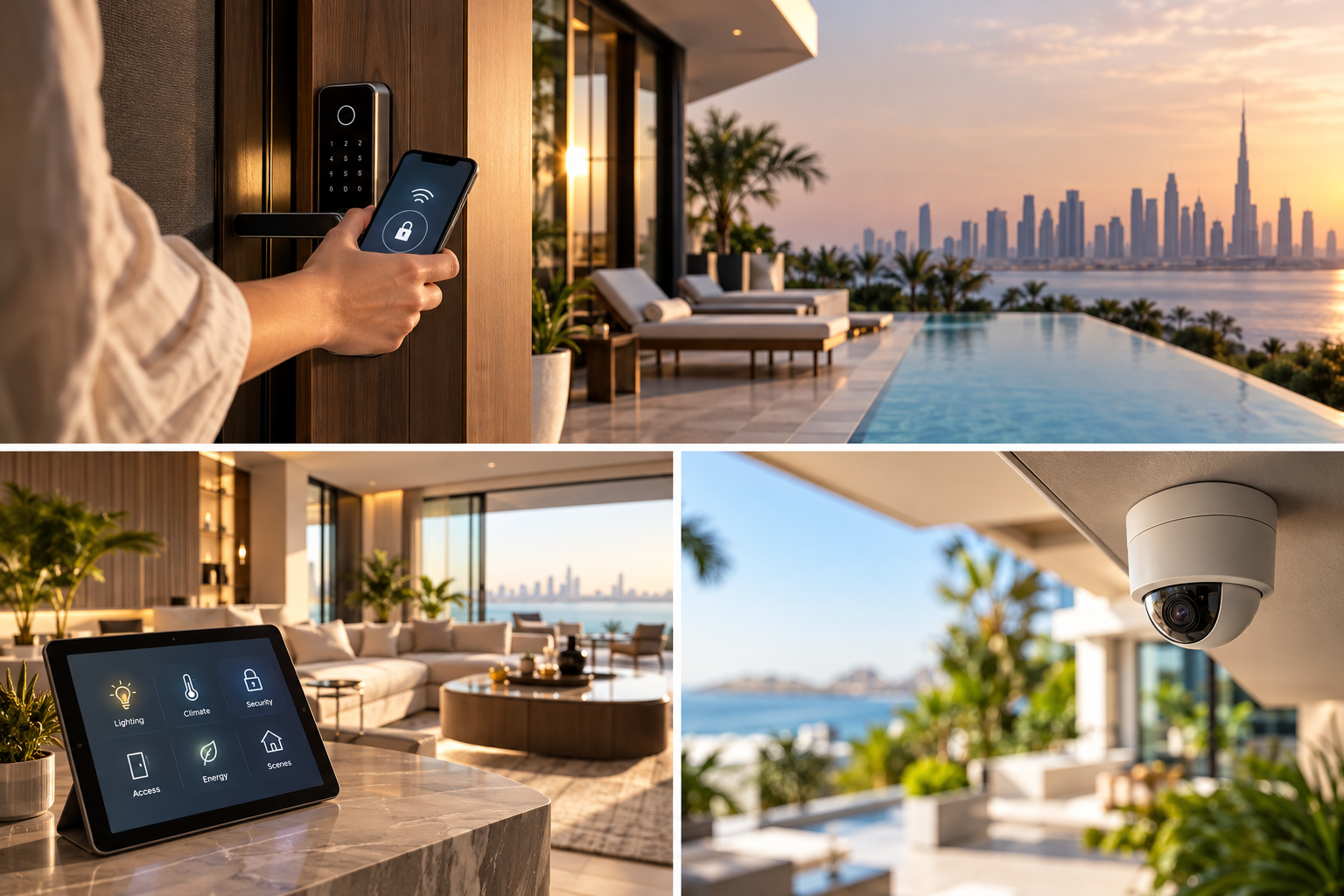
Smart-home solutions are increasingly being used across hospitality and short-term rentals. Digital locks, automated check-in, security monitoring, and energy management systems can help operators address everyday challenges while providing guests with a more convenient stay. The focus, however, is not simply on adding or using more technology. The real value lies in choosing tools that solve practical problems.
One of the most visible changes is the move towards keyless access. Digital locks can allow guests to enter a property using a code, mobile application, or another approved access method, reducing the need for physical keys. For operators managing multiple properties or guests arriving at different times, remote access can also make check-in easier to coordinate.
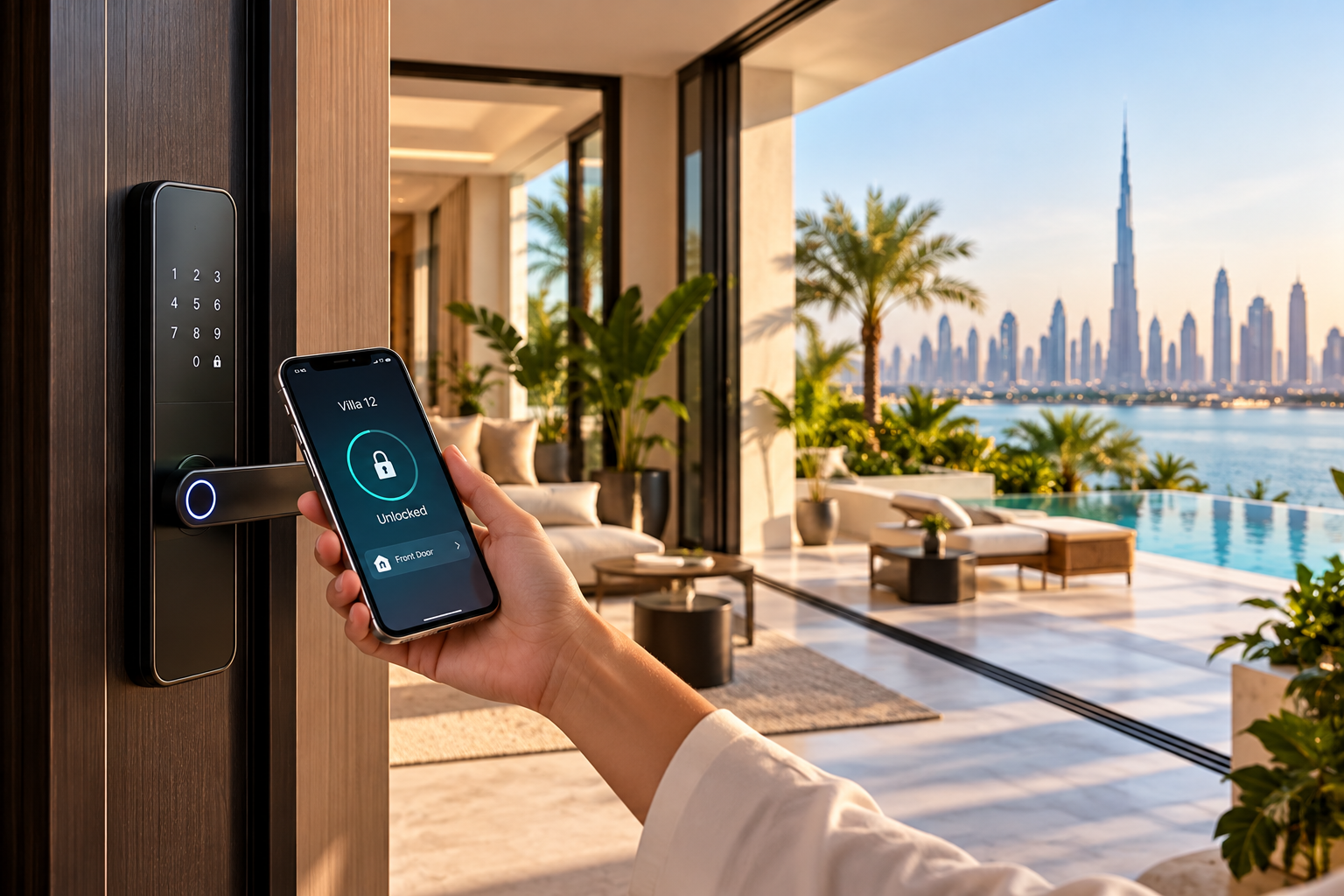 Security is another important area. Smart locks, monitoring systems, and security alerts can give operators greater visibility over their properties. In Dubai, technology choices must also take local requirements into account. The emirate’s 2025 Preventive System Manual includes requirements relating to SIRA-approved secure locks and approved smart-lock applications for vacation homes. For operators, this makes compliance an important part of selecting and installing access technology.
Automated check-in instructions, digital property guides, and smart controls can help guests access and use property without needing constant assistance. This does not mean replacing hospitality with automation. Instead, routine interactions can be handled more efficiently, allowing operators and property teams to focus on areas where personal service adds greater value.
Energy management is another potential application, particularly in the Middle East. Smart thermostats, lighting controls, and monitoring systems can give operators greater visibility into how energy is used and allow certain systems to be managed remotely. In a region where cooling is an important part of maintaining comfortable indoor spaces, greater control over energy use can be useful. The value of these systems will depend on the property, equipment, and how effectively they are managed.
Remote monitoring can also help operators oversee properties from a distance. Connected systems may send alerts about certain issues, monitor equipment, or highlight problems that need attention. For businesses managing several holiday homes, this can provide a clearer view of operations and potentially reduce unnecessary site visits.
Smart-home technology is also becoming part of a wider property-management setup. Property-management systems, channel managers, and automated communication tools can help operators coordinate bookings, guest messages, and daily tasks. When these systems work alongside smart access and other connected property tools, they can support a more coordinated approach to managing larger portfolios.
The wider hospitality market in the Middle East is also moving towards greater use of technology. In May 2026, Saudi Arabia’s Ministry of Tourism launched a smart accommodation service for pilgrims using AI and Internet of Things technologies. The initiative is specific to pilgrimage accommodation rather than holiday homes, but it demonstrates the broader role technology is beginning to play across the region’s hospitality sector.
For holiday-home operators, however, adopting technology should start with the property’s actual needs. A digital lock may be valuable for a property dealing with frequent guest arrivals, while an energy-management system may be more useful where operators want greater control over consumption. A property-management platform may offer greater value to an operator managing dozens of units than to someone overseeing a single property.
There are also practical considerations. Cost, maintenance, internet connectivity, system compatibility, and data security all need to be considered before new technology is introduced. A system that is difficult to maintain or does not work well with existing equipment can create more problems than it solves.
As the Middle East’s holiday-home sector continues to develop, technology is becoming an increasingly important part of property management and guest experience. The smart holiday home will not necessarily be the one with the most connected devices. It will be the one where technology works reliably in the background, solving real operational challenges while making the guest journey simpler.
For operators, the opportunity is to choose technology with a purpose: improving access, supporting security, managing energy, or simplifying daily operations. The right solutions can make a holiday home more connected without making the experience more complicated.





Add Comment