
Read this post in
 Arabic
Your 2026 Guide to DTCM Licensing
Understanding Dubai’s evolving holiday home licensing landscape as the sector matures into a structured hospitality category
As Dubai’s holiday home market continues to expand, the regulatory framework shaping it has become increasingly important in defining how the sector operates. The Department of Tourism and Commerce Marketing (DTCM), the authority overseeing short-term rental activity in the emirate, has gradually refined its processes to keep pace with a market that grows more sophisticated each year. By 2026, licensing has evolved into a clearer, more streamlined system—one that mirrors Dubai’s broader commitment to structure, transparency and guest confidence.
The licensing framework is not intended to restrict growth. Instead, it functions as a foundation that supports the city’s reputation as a well-regulated global destination. Holiday homes now sit alongside hotels and serviced apartments as an established accommodation category, and DTCM’s role ensures that the sector develops in an organised and reliable manner. For owners, operators and guests, this clarity strengthens trust in the ecosystem.
The first element shaping the 2026 licensing process is the continued emphasis on digitalisation. Dubai has consistently prioritised efficiency across government services, and holiday home registration reflects this ethos. The licensing journey, once dependent on manual submissions and in-person interactions, now operates through a centralised digital portal.
This shift enables owners and operators to complete applications, track approvals and renew licenses with far more ease. The online system reduces paperwork, minimises delays and provides transparent visibility into the status of each listing. The result is an environment where compliance becomes more accessible rather than more complicated. Another defining aspect of the 2026 framework is the growing focus on classification. DTCM categorises holiday homes into various tiers based on quality, amenities, design and overall guest experience.
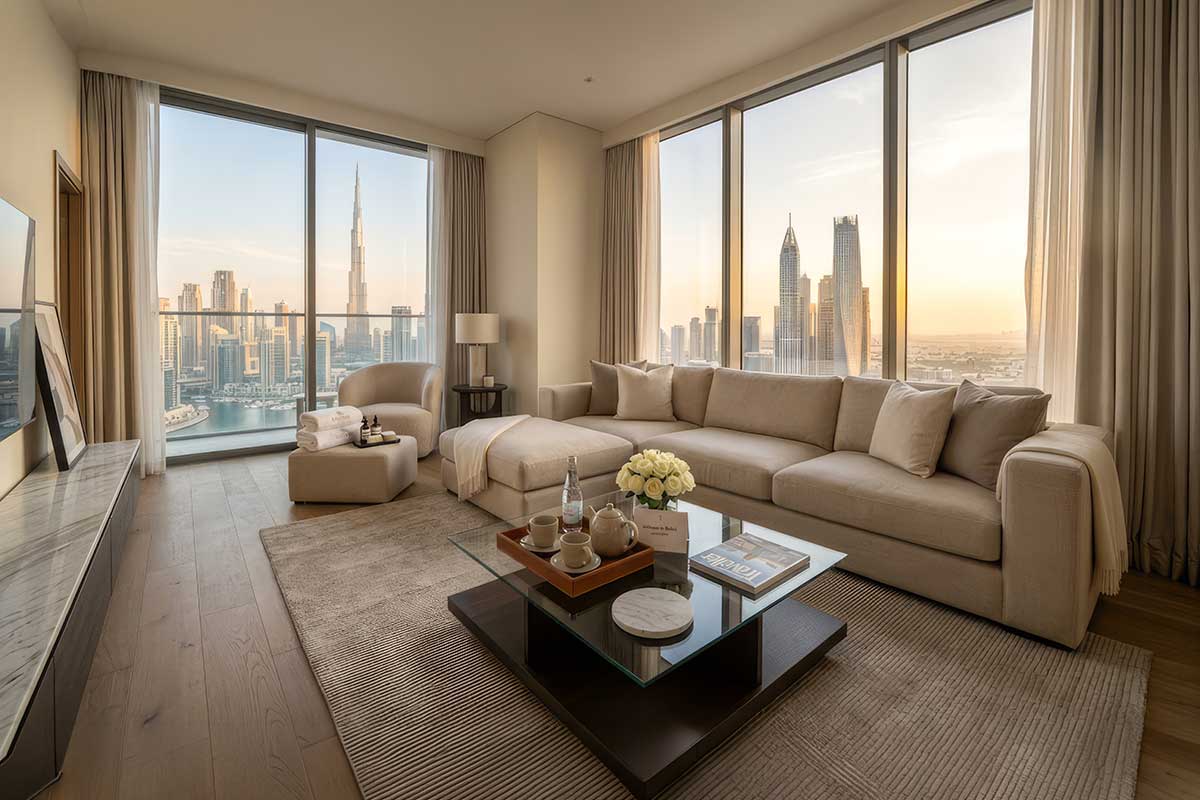
These classifications help create a more consistent landscape where guests can better understand what to expect when booking a property. For operators, classification introduces a sense of structure that aligns holiday homes with the standards traditionally associated with Dubai’s hospitality sector. While property differences are still celebrated, classification adds an element of predictability that supports the city’s international brand.
A noteworthy development in recent years has been the introduction of compliance scoring—an internal mechanism that reflects how consistently a property adheres to operational expectations. These expectations include safety provisions, proper documentation, adherence to community rules and overall management quality.
The compliance score is not a rating, nor is it designed to rank properties publicly. Instead, it acts as an internal indicator that gives regulators a clearer sense of how a home is being managed. Properties that maintain strong compliance often move more smoothly through renewals and inspections, reflecting stable operational behaviour. This system helps ensure that the holiday home sector remains aligned with Dubai’s commitment to quality without imposing a punitive tone.
One of the more forward-looking elements in the 2026 licensing environment is the gradual incorporation of sustainability considerations. Dubai’s broader environmental initiatives, including its long-term focus on energy efficiency and resource management, naturally extend into residential and hospitality sectors. While sustainability is not enforced as a rigid requirement, DTCM now allows operators to reflect eco-friendly features within their classification submissions. Properties that integrate energy-efficient lighting, water-saving fixtures or responsible waste practices may find these attributes contributing positively to their overall positioning within the system. This development reflects a global movement toward conscious travel and aligns seamlessly with Dubai’s long-term environmental vision.
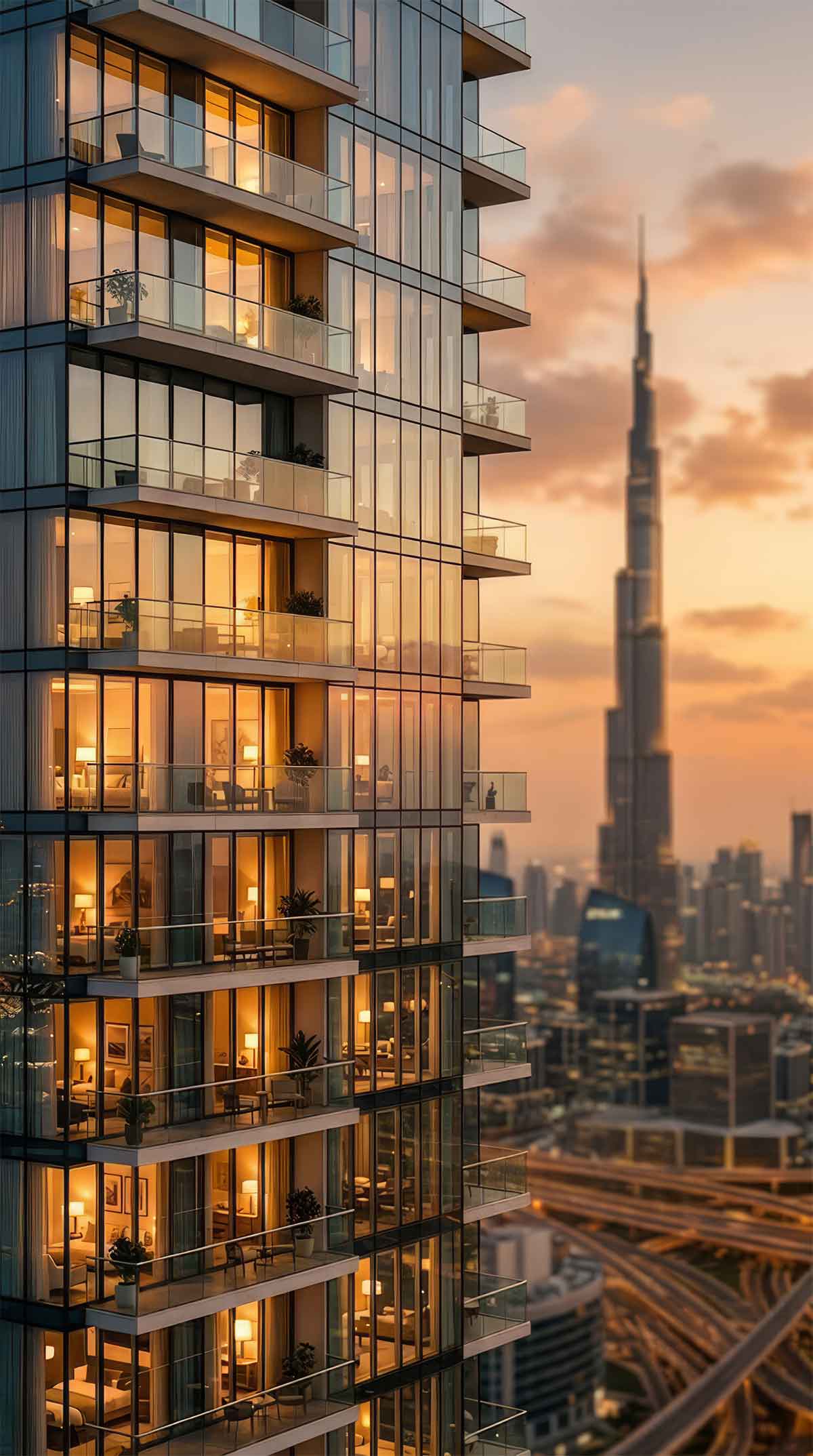
The evolution of licensing has also been influenced by community integration. Many of Dubai’s holiday homes operate within residential buildings, and maintaining harmony between guests and long-term residents remains a key priority. DTCM’s licensing structure acknowledges this by reinforcing the importance of responsible operations. Homes that communicate house rules clearly, manage guest expectations effectively and maintain positive relations with building management often experience fewer operational challenges. Dubai’s mixed-use communities represent the fabric of the city, and the licensing process helps ensure that holiday homes are woven into that fabric constructively.
Another important component of the 2026 framework is transparency. DTCM licensing centralises documentation, ownership details, operating permissions and classification information into one unified system. This transparency allows authorities to track market activity accurately and helps prevent unregistered operations. For guests, the presence of a licensed number associated with a property creates reassurance, reinforcing Dubai’s reputation for trustworthy hospitality. The system also enables clearer oversight, which supports the long-term stability of the industry.
Renewals, once a manual undertaking, have now become part of an automated cycle. Operators receive reminders in advance, and the digital system carries forward existing documentation unless changes need to be made. This approach reduces administrative friction and ensures that properties maintain active compliance. In many ways, the renewal process reflects Dubai’s broader shift toward proactive digital government solutions that allow both residents and businesses to operate with greater convenience.
It is important to recognise that the 2026 guide to DTCM licensing is not a fixed rulebook. The framework continues to adapt as the market evolves and as Dubai’s tourism priorities expand. The licensing environment does not dictate how properties should operate; rather, it sets foundational expectations that help maintain consistency across a sector with significant diversity. Dubai’s holiday homes vary widely in style, size, location and audience, and the licensing structure allows for this variety while ensuring that a shared baseline of professionalism is upheld. DTCM licensing is ultimately a reflection of Dubai itself.
Read this post in
Arabic