
Read this post in
 Arabic
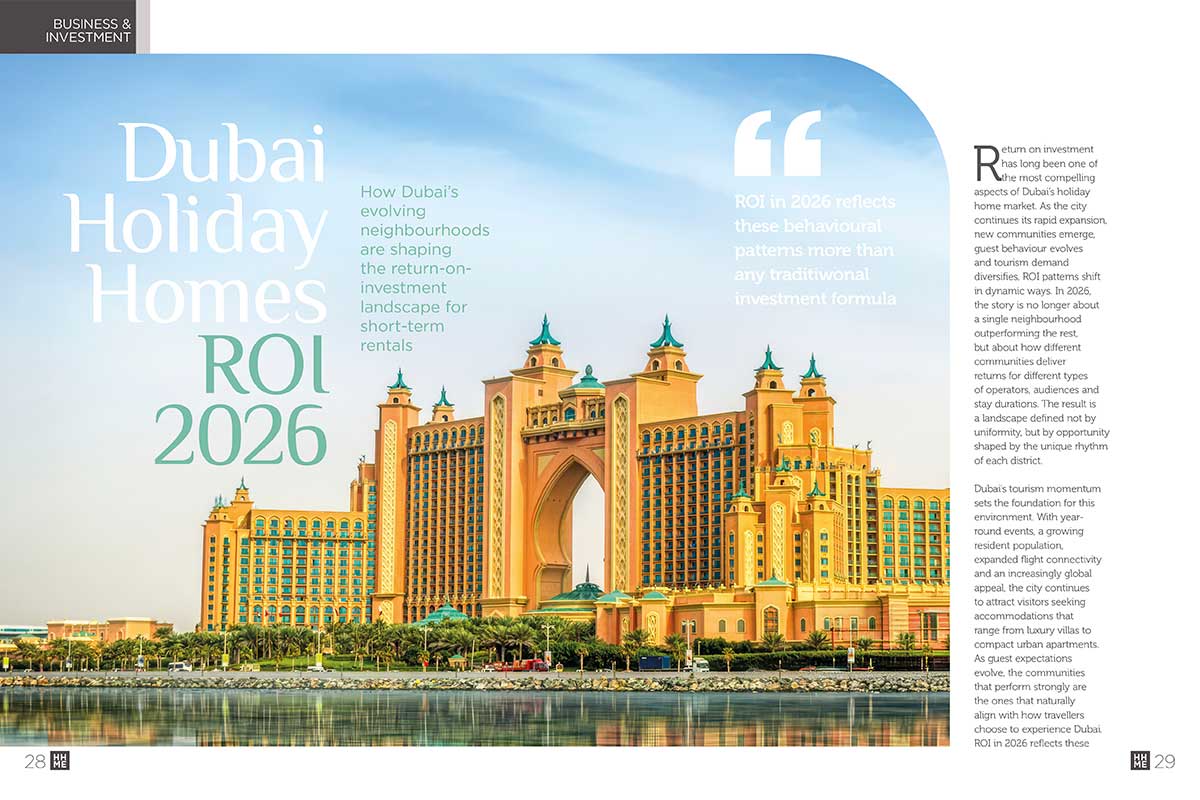
Dubai Holiday Homes: ROI 2026
How Dubai’s evolving neighbourhoods are shaping the return-on-investment landscape for short-term rentals
Return on investment has long been one of the most compelling aspects of Dubai’s holiday home market. As the city continues its rapid expansion, new communities emerge, guest behaviour evolves and tourism demand diversifies, ROI patterns shift in dynamic ways. In 2026, the story is no longer about a single neighbourhood outperforming the rest, but about how different communities deliver returns for different types of operators, audiences and stay durations. The result is a landscape defined not by uniformity, but by opportunity shaped by the unique rhythm of each district.
Dubai’s tourism momentum sets the foundation for this environment. With year-round events, a growing resident population, expanded flight connectivity and an increasingly global appeal, the city continues to attract visitors seeking accommodations that range from luxury villas to compact urban apartments. As guest expectations evolve, the communities that perform strongly are the ones that naturally align with how travellers choose to experience Dubai. ROI in 2026 reflects these behavioural patterns more than any traditional investment formula. Dubai Marina remains one of the most recognisable performers in the short-term rental space. Its waterfront setting, walkability, restaurant density and access to the beach continue to attract a wide array of travellers, particularly during the winter season.
Marina’s high occupancy levels during peak months contribute to strong overall returns, while its appeal to families and younger travellers creates a consistent base of demand. The community’s established position in the tourism map allows it to deliver ROI through volume and seasonality, supported by a lifestyle appeal that has remained stable for more than a decade.
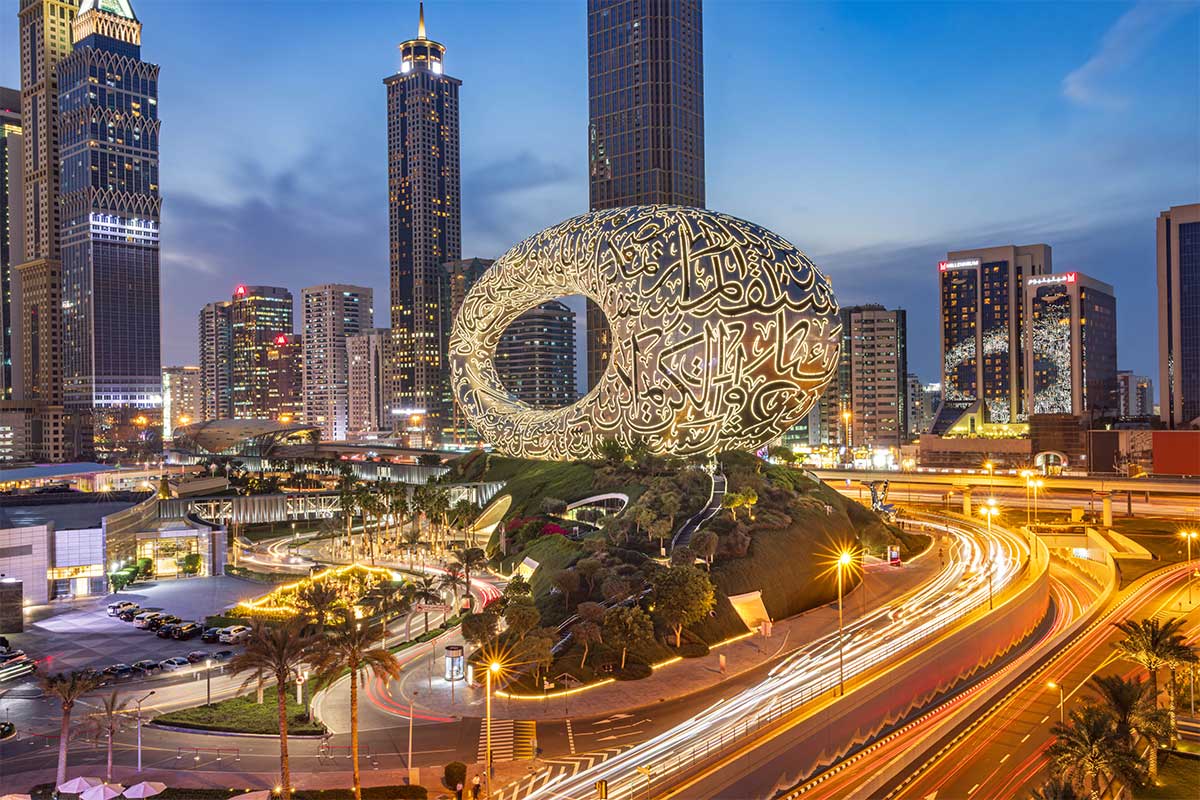
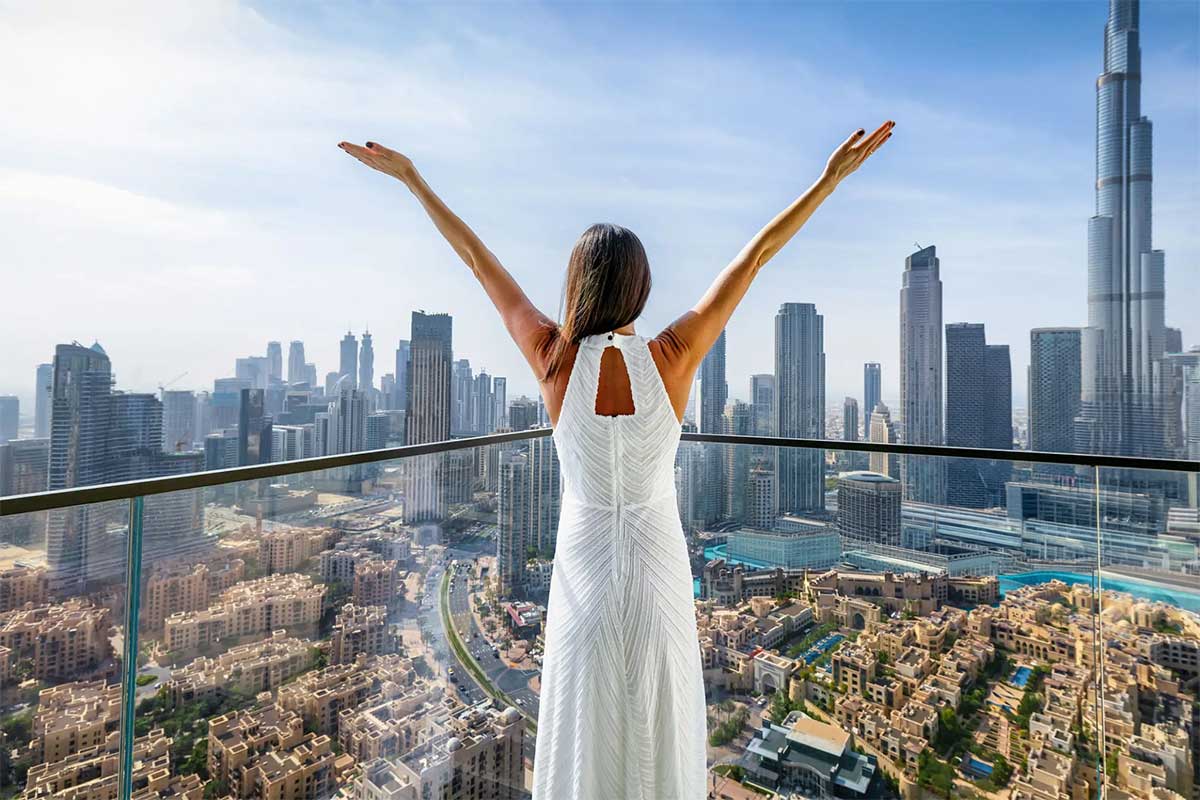
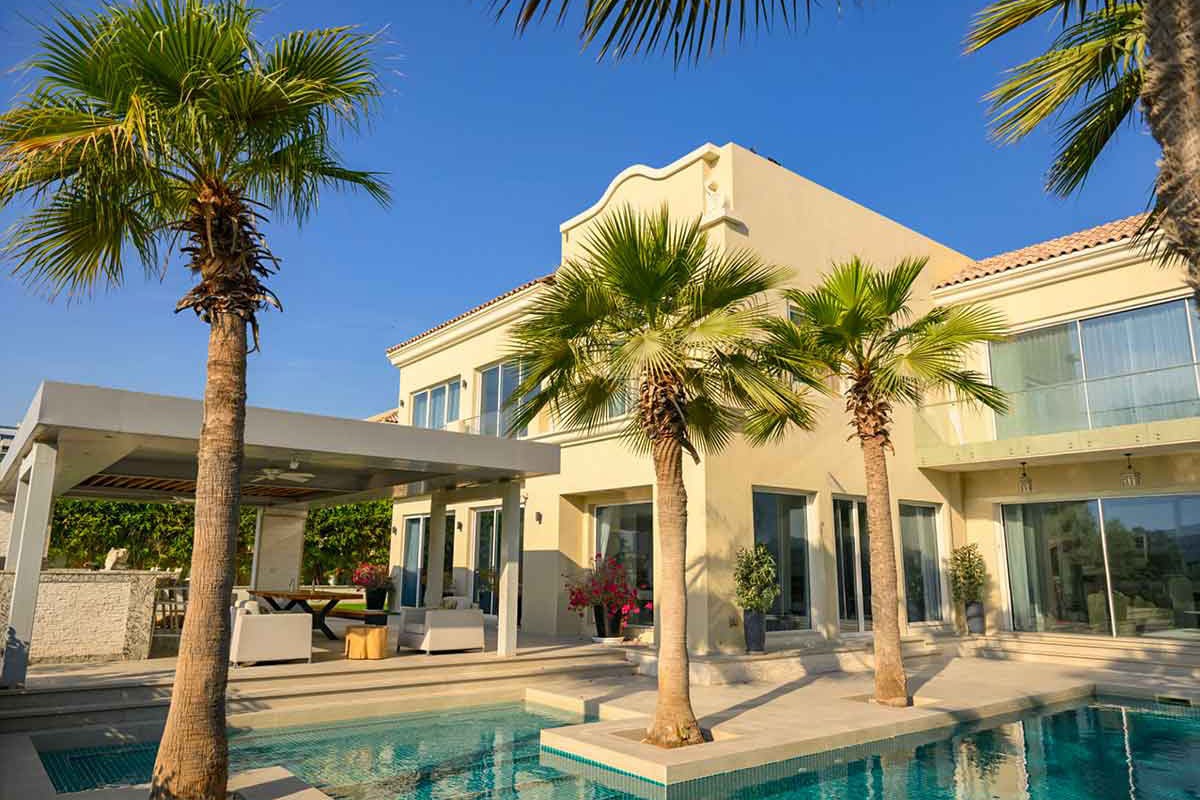
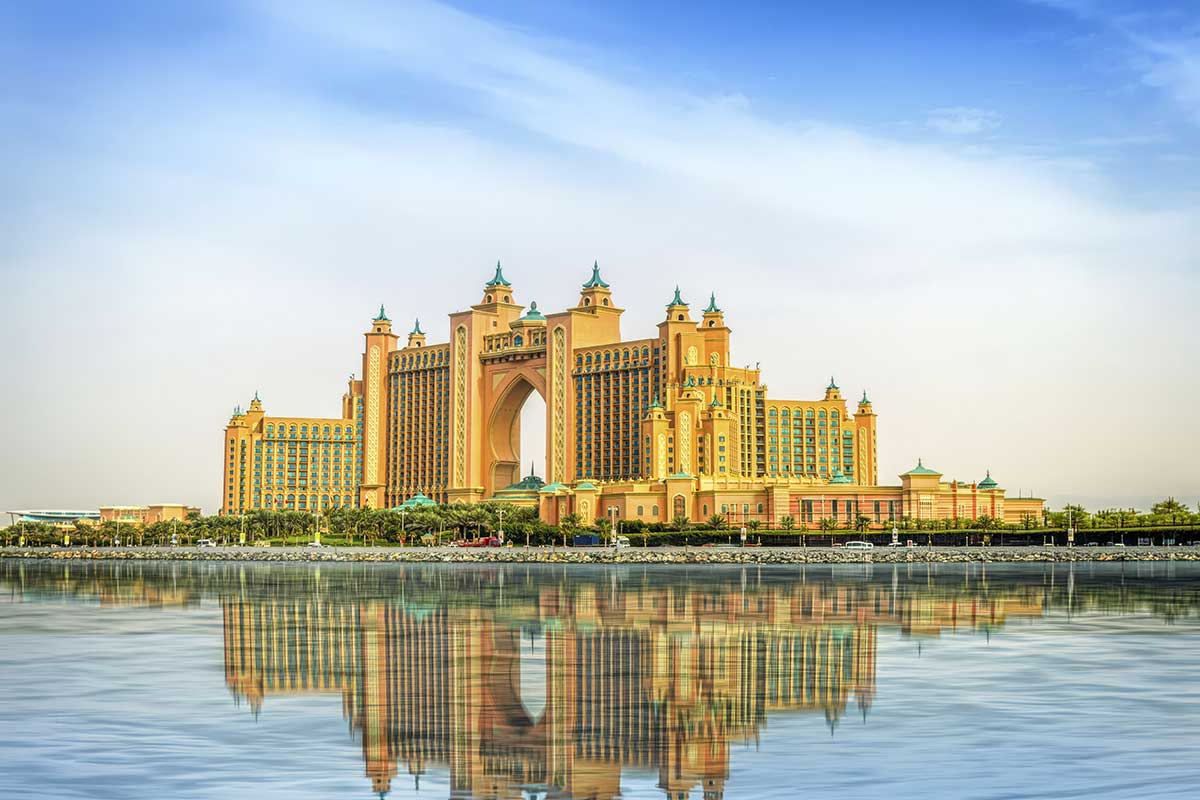
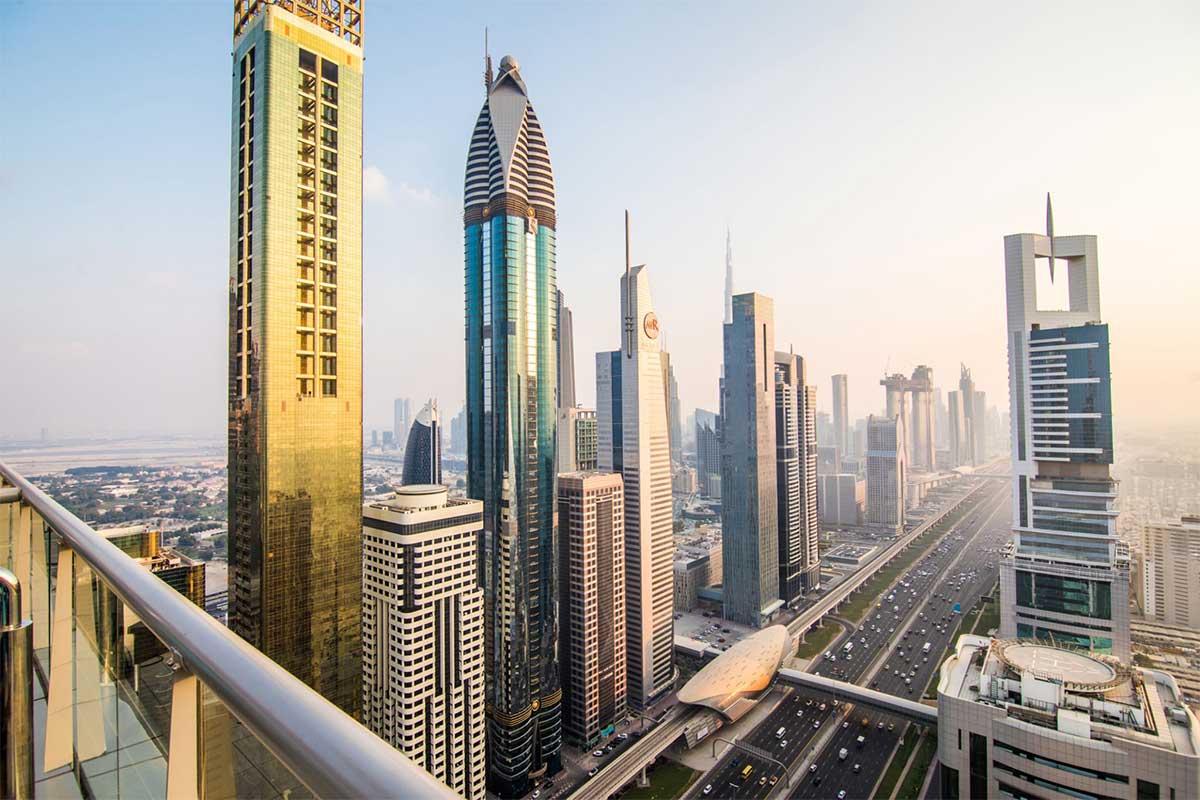
Downtown Dubai follows a different trajectory. Its proximity to iconic attractions, business hubs and high-end retail makes it a preferred choice for corporate travellers and tourists seeking centrality. Returns here often reflect shorter but more frequent stays, driven by the area’s appeal for business trips, conferences and weekend visits. The vibrancy of Downtown ensures a steady flow of guests throughout the year, and its ability to attract international visitors who prioritise convenience and city access contributes to its ROI strength. The community functions as an urban anchor within Dubai’s hospitality landscape, providing relevance across multiple guest segments. Palm Jumeirah continues to define luxury within the holiday home sector. Its villas, waterfront apartments and exclusive atmosphere appeal to a niche but highly engaged audience. ROI in this district tends to stem from high nightly rates rather than high occupancy, reflecting a guest preference for privacy, design and resort-like living.
The Palm’s positioning within Dubai’s luxury ecosystem ensures that it maintains strong demand among travellers seeking premium experiences. Although the dynamics of Palm Jumeirah differ from those of dense urban communities, its contribution to ROI remains significant due to the tier of guest it attracts.
In contrast, communities such as Jumeirah Village Circle (JVC) and Jumeirah Lake Towers (JLT) offer returns shaped by accessibility and long-stay appeal. These neighbourhoods attract digital nomads, extended-stay guests and regional travellers who prefer residential environments with convenient access to the city. JVC, in particular, has gained momentum due to its modern developments, affordability and growing community infrastructure. ROI here is often supported by longer booking durations, offering stability across months rather than spikes during specific seasons. JLT offers a complementary appeal, combining lakefront living with connectivity and a wide selection of dining and service conveniences. The ROI narrative in these neighbourhoods reflects Dubai’s expanding resident-travel visitor segment—guests who treat the city as a temporary home rather than a brief holiday.
Dubai Hills Estate represents a newer type of ROI pattern—one shaped by lifestyle appeal, green spaces and contemporary design. Families and long-stay winter visitors are increasingly drawn to Dubai Hills for its tranquillity and modern infrastructure. Villas and larger apartments in this district attract guests seeking a quieter, more residential experience while still remaining close to major highways and attractions. ROI here emerges from steady demand for spacious accommodations that support routines, work-from-home lifestyles and extended
seasonal stays.
The neighbourhood’s rise mirrors Dubai’s broader movement toward balanced, community-centric living environments. Business Bay delivers yet another variation in ROI behaviour. Its central location, proximity to Downtown and abundance of modern apartments attract corporate travellers, young professionals and tourists who value convenience.
The district’s high density and consistent visitor flow support strong occupancy levels, particularly during event and exhibition periods. ROI in Business Bay often reflects a combination of frequent short stays and a broad international audience, creating a versatile performance profile that appeals to operators of different sizes.
The ROI story in 2026 also includes emerging communities that benefit from Dubai’s continuous expansion. Areas such as Meydan, Arjan and parts of Al Furjan have begun attracting holiday home operators due to their growing residential density, improved infrastructure and increasing recognition among travellers seeking quieter alternatives to the city’s busiest districts. Their returns often come from a blend of affordability and extended-stay appeal, offering opportunities for operators looking to diversify beyond
traditional hotspots.
Read this post in
Arabic