

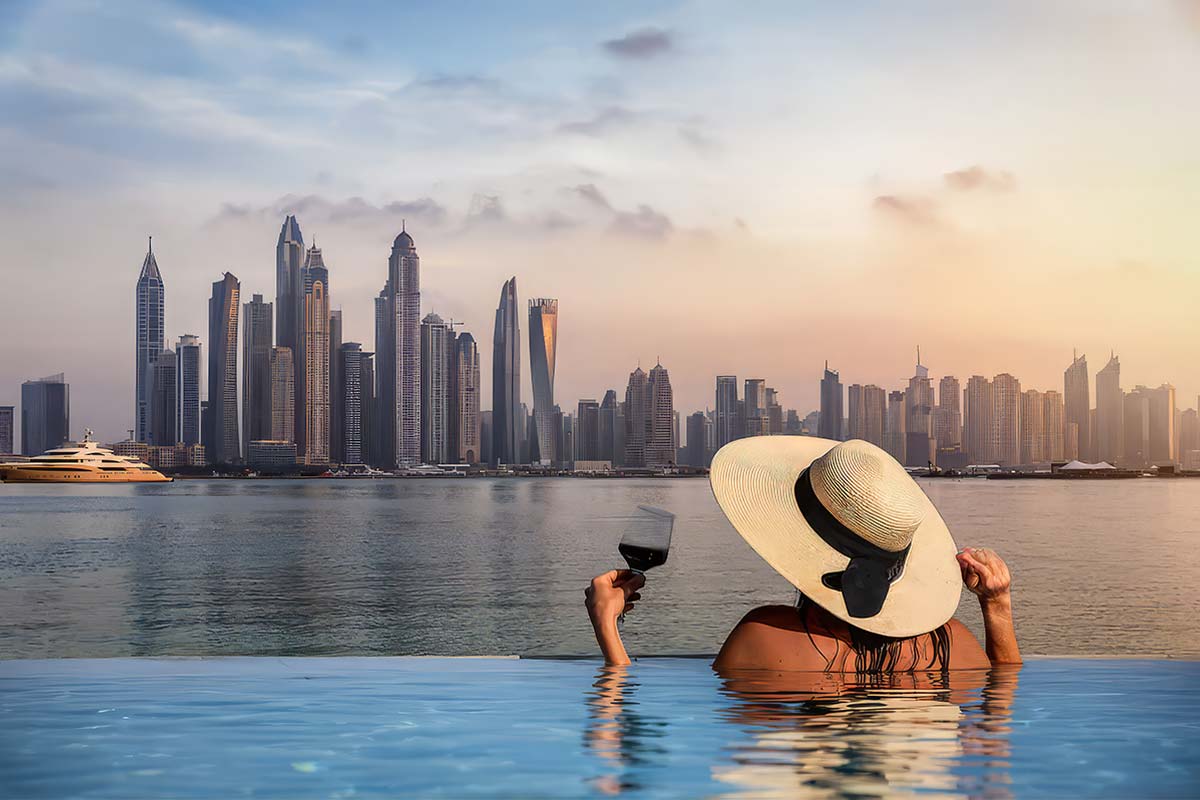
Luxury in travel is no longer defined only by where you stay, but by how a place makes you feel. In Dubai’s evolving holiday home market, a clear shift is emerging as more guests seek homes that offer calm, privacy and space to slow down. What was once a simple accommodation choice is now becoming part of a wider wellness journey, where the stay itself carries the weight of the experience.
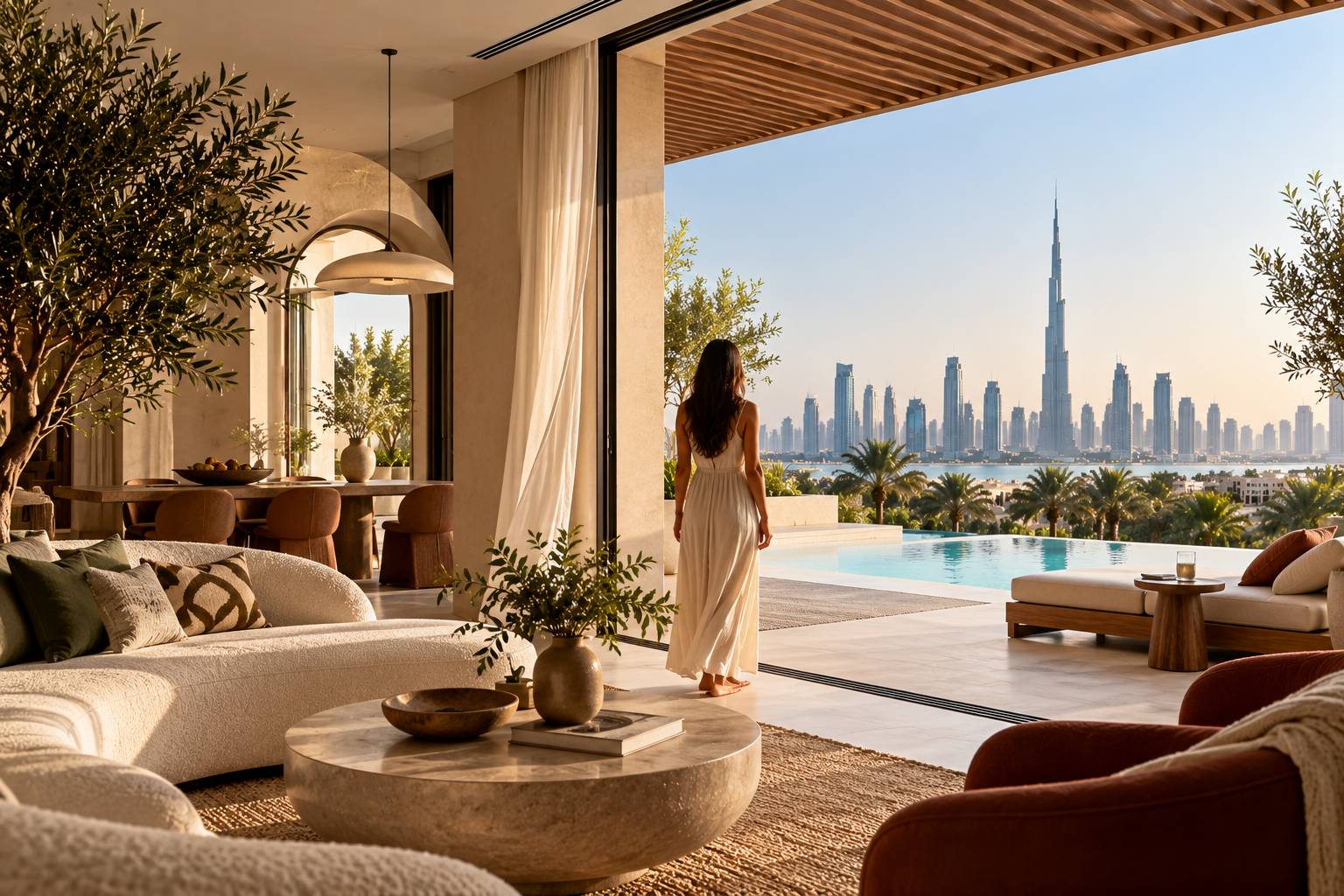
Across the city, travellers are moving toward a softer kind of luxury. The focus is no longer just on grand interiors or impressive addresses, but on atmosphere. Light-filled rooms, peaceful outdoor corners, private pools and warm, uncluttered spaces are becoming the new markers of comfort. Guests want homes that allow them to rest deeply, move slowly and disconnect from routine.
This shift reflects a wider change in how people travel. Holidays are increasingly about balance. Guests want mornings without urgency, long breakfasts, space to breathe and the freedom to shape their day without structure. Holiday homes naturally support this rhythm. Unlike hotels, they offer a private world where routines feel personal and uninterrupted.
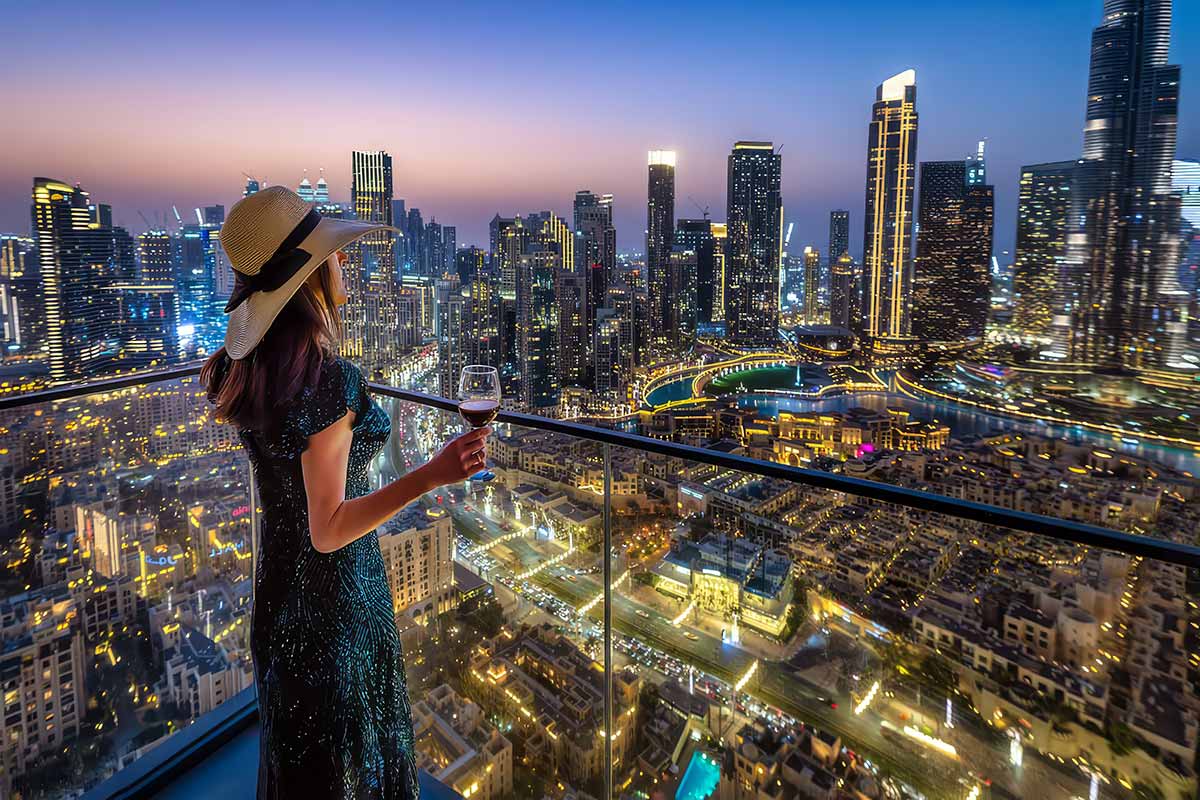
Dubai’s wellness scene has grown alongside this movement. From beach yoga and Pilates studios to recovery clinics, spa retreats and health-focused cafés, the city now offers countless ways for visitors to build wellbeing into their stay. Holiday homes have become the natural extension of that lifestyle, creating a space where the outside experience continues indoors. A morning Pilates session by the sea, followed by breakfast on a private terrace, or an evening spent by the pool after a recovery treatment, has become part of the new guest routine.
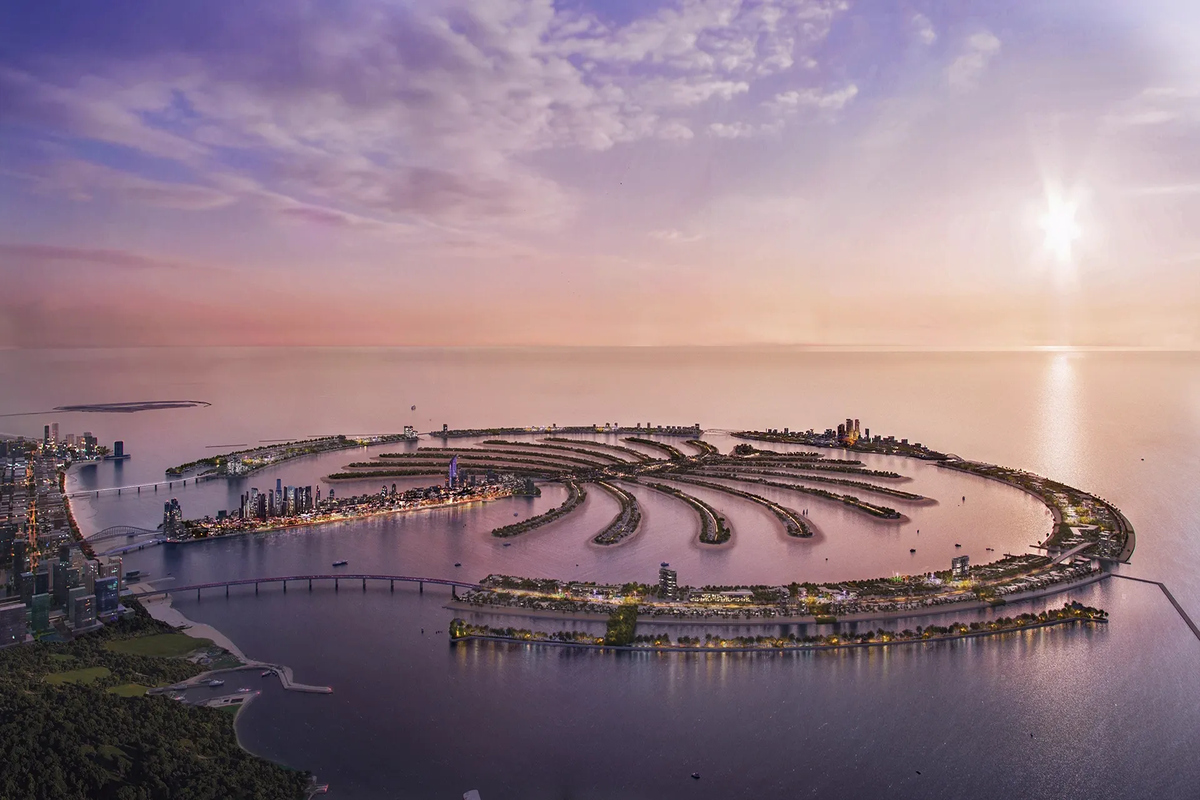
The villa segment has especially become part of this story. In Palm Jumeirah, Dubai Hills, Al Barari and Emirates Hills, villas are increasingly chosen for their ability to offer privacy without compromise. Spacious layouts, gardens, pools and open-air living create the kind of setting guests now associate with true luxury. These spaces allow families, couples and groups to move at their own pace, away from crowded lobbies and fixed schedules.
Even apartment stays are evolving. Homes designed with softer palettes, natural materials and thoughtful layouts are proving more appealing than spaces built only to impress. Guests are drawn to homes that feel effortless. Spaces that feel beautiful without trying too hard. Neutral colours, soft linen, warm woods and minimal styling are becoming part of a visual language that signals rest. It is less about extravagance and more about emotional comfort.
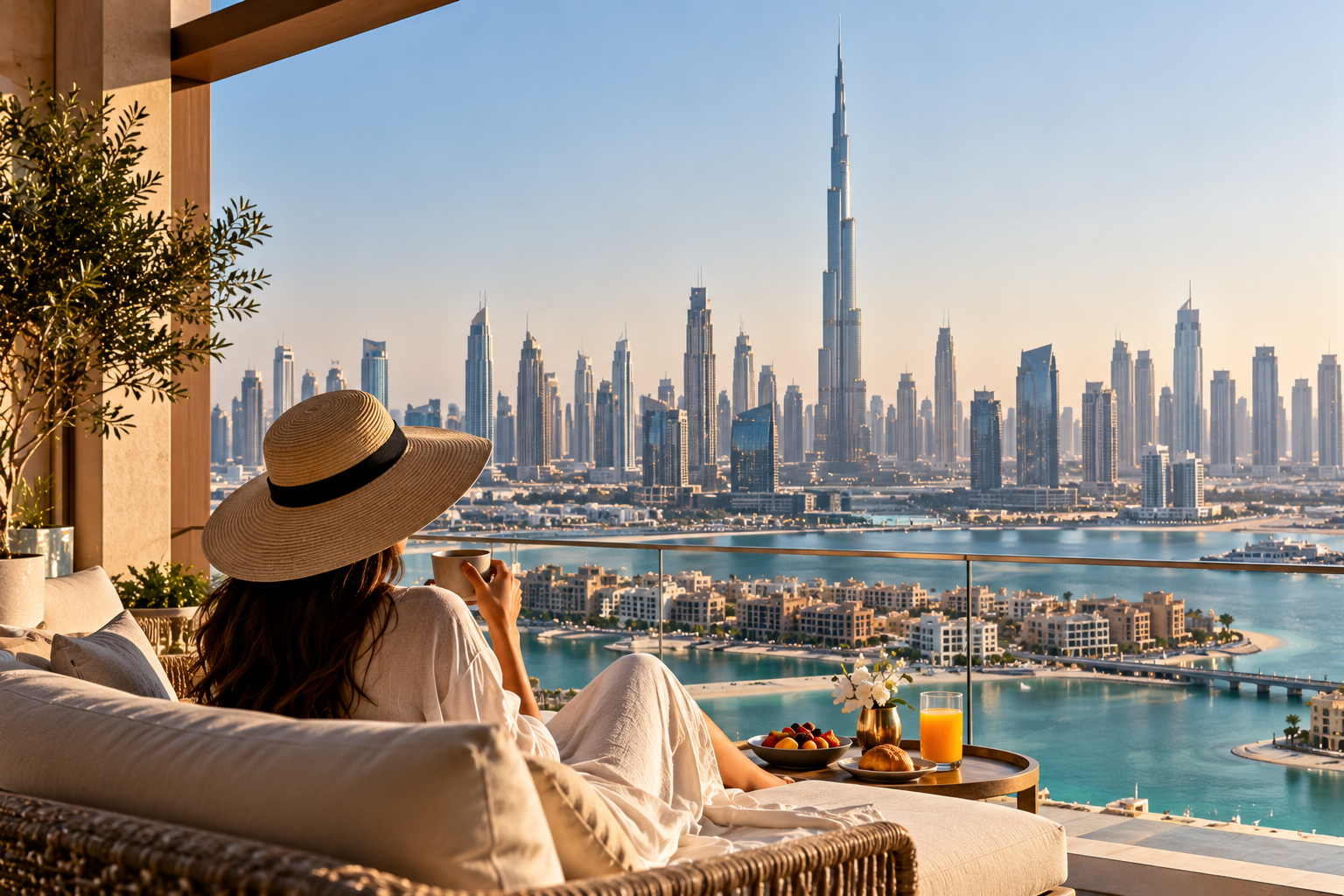
This new idea of luxury is also changing what guests value. Instead of overfilled itineraries, many travellers are choosing slower days. They may spend an afternoon reading by the pool, cooking in the kitchen or simply enjoying a quiet balcony overlooking the city. The idea of doing less has, in many ways, become part of doing travel better. Time itself has become a luxury.
For families, this shift feels especially relevant. Parents travelling with children often look for homes where everyone can settle into their own rhythm. Larger living spaces, private bedrooms and outdoor areas offer a sense of ease that traditional hotel rooms often cannot match. Children can play freely, while parents find moments of calm within the same space. This balance of togetherness and privacy is becoming increasingly valuable.
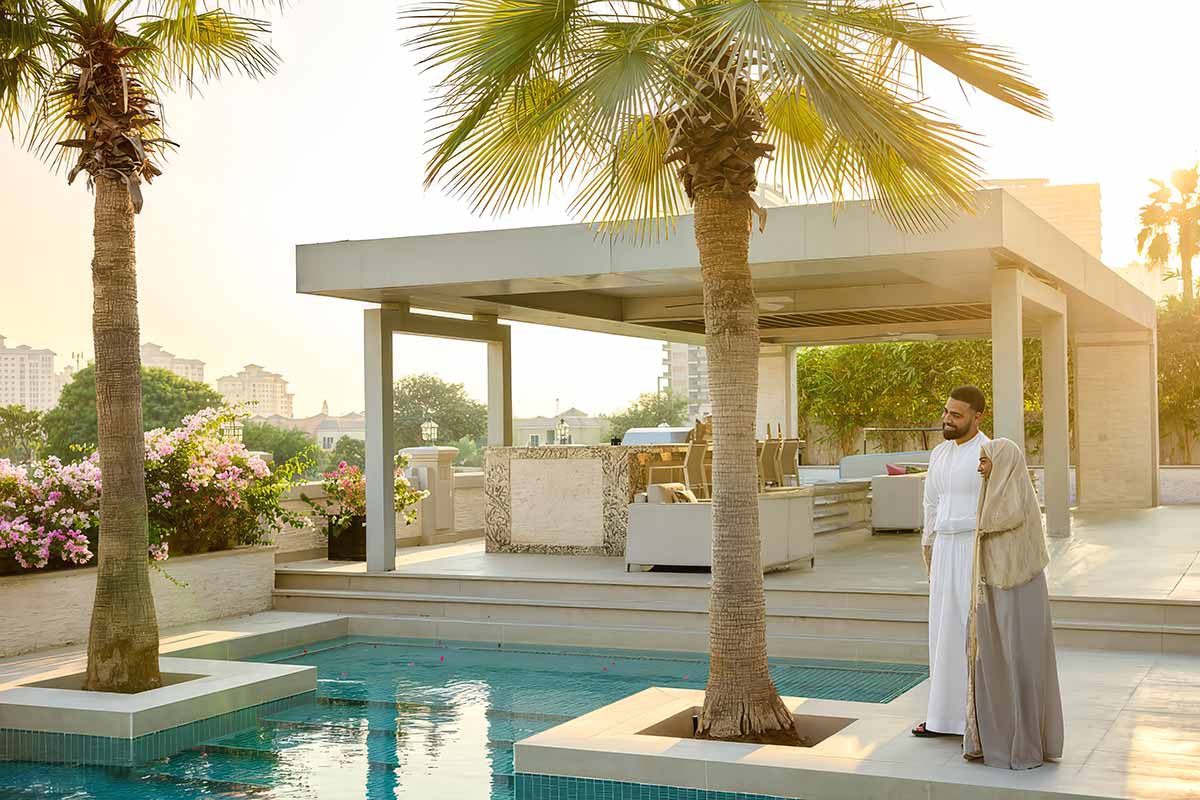
For solo travellers and couples, the appeal is often even more personal. A holiday home offers a sense of ownership over the stay. There is freedom in deciding when the day begins, how it unfolds and when it ends. This control over time and space has become one of the strongest parts of the wellness stay movement.
There is also an emotional side to this trend. Travellers today are often arriving tired, overstimulated and in need of pause. Modern life moves quickly, and holidays are no longer only about escape. They are about restoration. A home that feels calm from the moment they walk in shapes the entire stay. It changes how they sleep, how they move and how they remember the trip.
The design of these homes plays an important role. Natural light, quiet corners, open spaces and soft textures influence mood more than people realise. A peaceful environment encourages slower mornings and quieter evenings. It allows guests to reconnect with themselves, their families or simply the moment. In many ways, the home itself becomes part of the therapy.
Dubai’s identity as a city of ambition makes this contrast even more powerful. Outside, there is movement, energy and endless activity. Inside these homes, there is stillness. That contrast is what many travellers are now seeking. A way to experience the city without being consumed by its pace.
This quieter side of luxury feels more important than ever. Holiday homes are no longer just places to stay. For many, they have become places to reset, recharge and return to themselves. The rise of wellness-led stays is not a passing trend, but a reflection of how deeply travel has changed.
And in this new chapter of hospitality, the greatest luxury may simply be the space to unwind.


Add Comment