

Read this post in
 Arabic
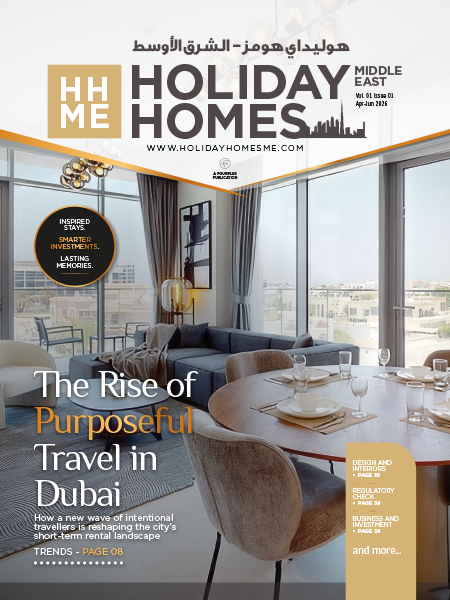
Travel to Dubai has long been associated with leisure, luxury and spectacle. Yet in recent years, a noticeable shift has been unfolding beneath the surface—one that redefines why people come to the city and how they choose to stay. Increasingly, visitors are arriving not simply to relax, but to achieve something during their time away.
Whether this purpose is rooted in work, wellbeing, learning or lifestyle exploration, Dubai has become a destination where travellers seamlessly blend personal intention with the experience of being in one of the world’s most dynamic cities. This movement is often referred to as “purposeful travel,” and its influence on the holiday home sector has become increasingly clear.
Remote work has been one of the strongest catalysts. Dubai’s hybrid workforce culture, excellent connectivity and reliable infrastructure have encouraged travellers to stay longer than the traditional holiday period. For many, the city functions as a temporary base where work and leisure coexist. 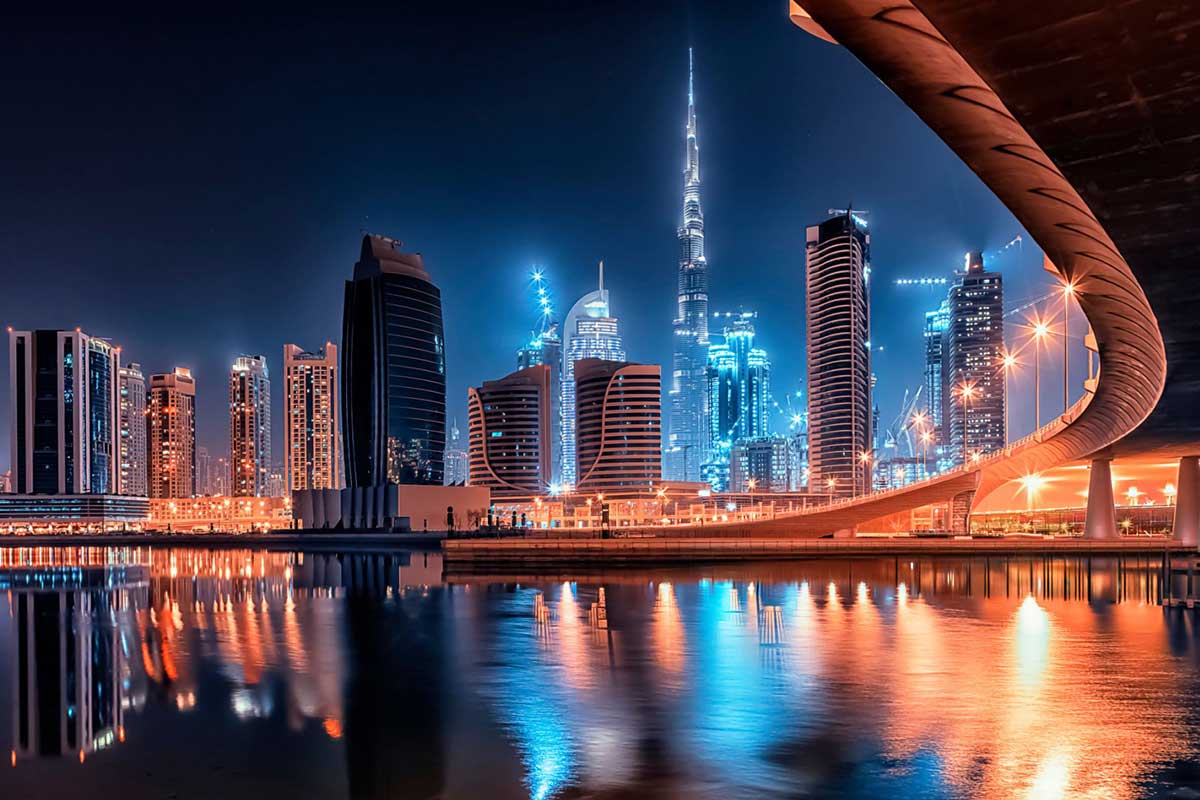
These guests often gravitate toward neighbourhoods that offer cafés, co-working environments and walkable conveniences, naturally turning areas such as Dubai Marina, Downtown, Business Bay and JLT into extended-stay favourites. Their routines resemble everyday living more than tourism, and holiday homes have become an integral part of this new rhythm.
Parallel to this, Dubai’s expanding wellness ecosystem has drawn visitors who arrive with a personal reset in mind. The city now plays host to an impressive network of Pilates studios, spa sanctuaries, recovery clinics, breathwork sessions, fitness programs and outdoor wellness experiences. Many travellers spend their days in classes, treatments or wellness itineraries and prefer accommodation that supports a sense of calm and balance.
Interiors that feel warm, uncluttered and naturally lit often appeal to these guests, not because of trend or fashion, but because they complement the emotional tone of their stay. As wellness continues to rise in global travel, Dubai’s unique mix of modernity and tranquillity positions it as a destination where wellbeing journeys can be meaningfully pursued. Another dimension of purposeful travel comes from visitors seeking to learn something new. Dubai’s calendar is filled with courses, workshops, entrepreneurial events, cultural programmes and skill-based experiences. People travel to attend photography masterclasses, short business courses, creative seminars, watersport intensives or culinary sessions. Their reason for choosing a particular holiday home often relates to proximity—perhaps close to the sea, close to a cultural district or close to a professional hub. This group of travellers is diverse, curious and engaged, and they treat Dubai as an environment that supports personal growth.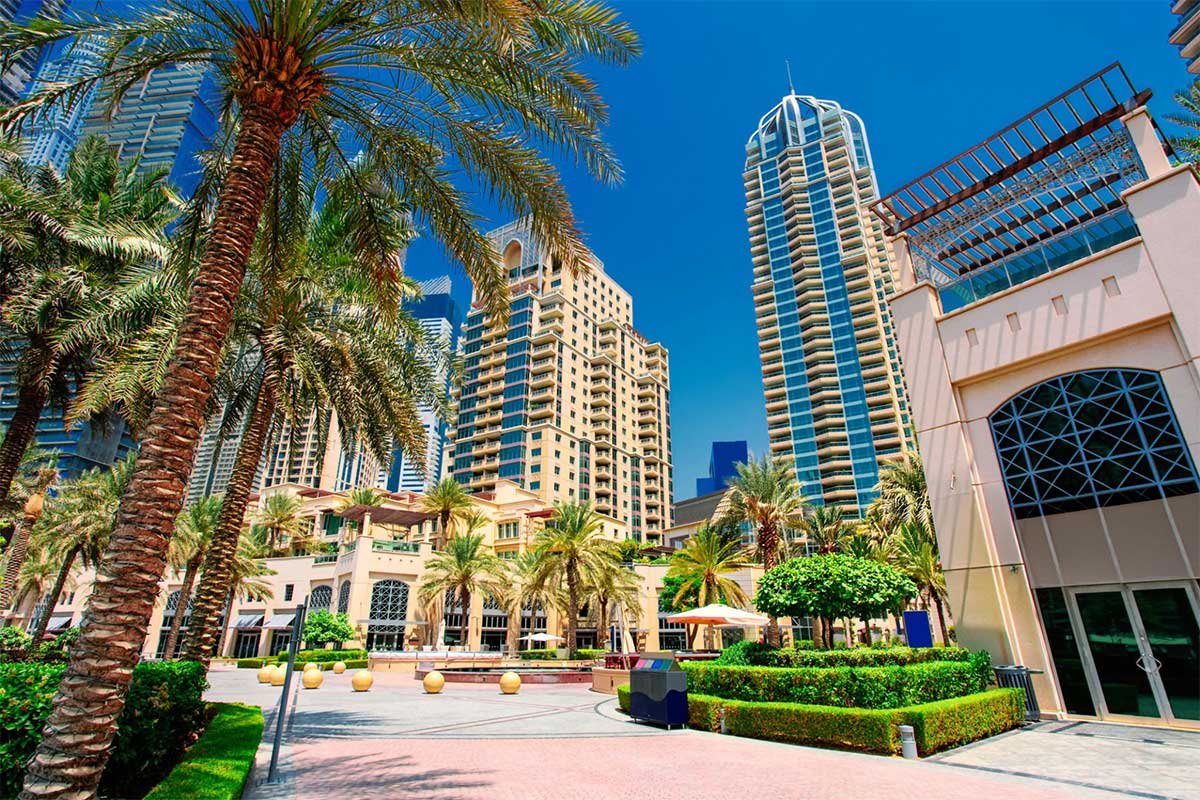
Families, meanwhile, continue to play an important role in shaping extended-stay patterns. Each winter, Dubai experiences a steady influx of families from Europe, the GCC and beyond who choose to spend several weeks—or sometimes months—living temporarily in the city. For these households, the holiday home becomes an anchor for everyday life rather than a backdrop for a short visit.
They settle into routines quickly, frequenting parks, supermarkets, beaches and cafés as though they were residents rather than tourists. The choice of accommodation often reflects their desire for space, kitchens, separate bedrooms and a familiar domestic rhythm. Some families even consider these stays as exploratory periods, offering a glimpse into what long-term life in Dubai might feel like. The growing presence of purposeful travellers has not only expanded the definition of tourism in Dubai but has also subtly reframed the role of short-term rentals.
Holiday homes are no longer perceived merely as convenient places to sleep; they are viewed as functional environments that support varying personal objectives. They facilitate productivity, well-being, creativity and family life. They offer privacy, flexibility and a sense of temporary ownership that many guests find grounding, especially during longer stays.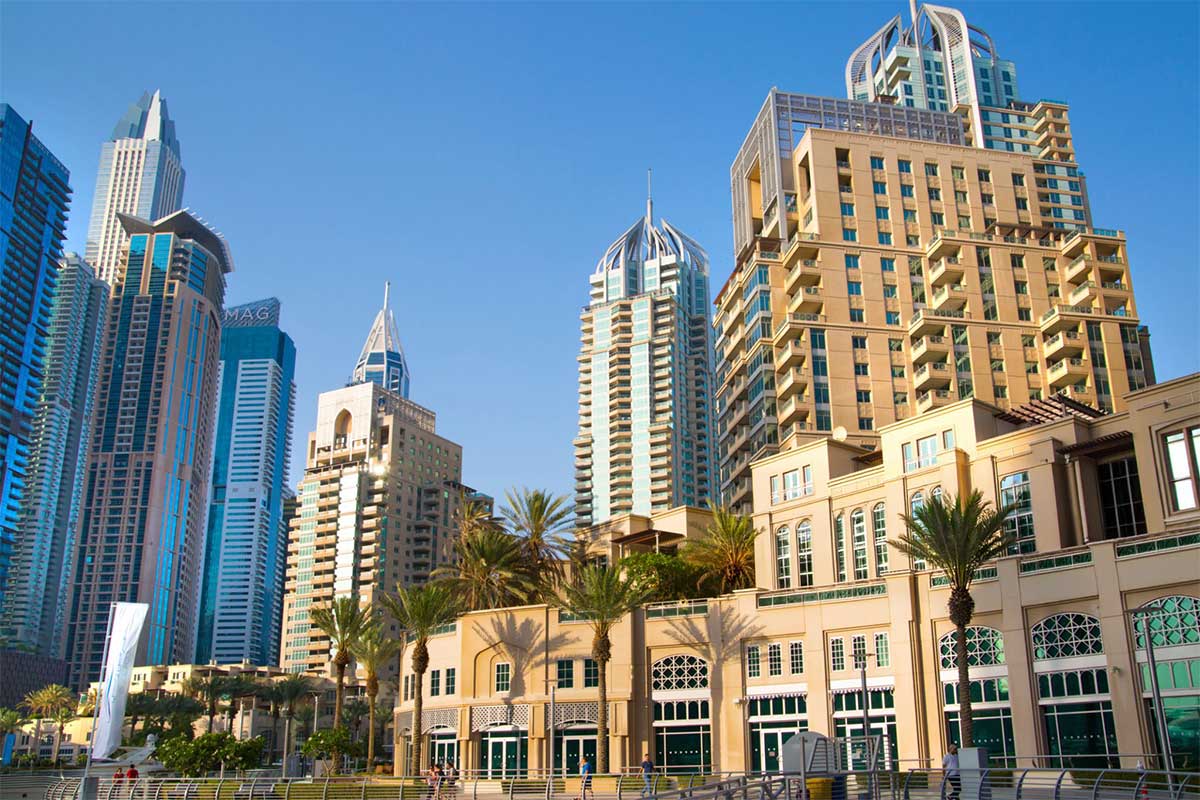
While patterns vary and motivations evolve, several observations have become consistent across the market. Purpose-driven guests tend to stay longer than traditional holidaymakers, and they often return during the same seasons year after year. Their travel windows are guided more by their individual aims than by conventional tourism calendars. Their decision-making is shaped by lifestyle fit, emotional comfort and neighbourhood ambience as much as by the property itself.
These are not rigid rules or guaranteed outcomes—simply broad behavioural trends visible within the market’s current landscape. What stands out most is how naturally Dubai lends itself to this new era of travel. The city’s infrastructure enables smooth transitions between work and leisure. Its cultural diversity supports personal exploration.
Its wellness facilities, beach lifestyle, safety and reliability make it an appealing backdrop for those seeking clarity or momentum. Its creative and professional ecosystems attract individuals looking to grow. Families feel secure and at ease. Professionals feel connected. Travellers feel stimulated yet grounded.
Purposeful travel is not a movement owned by any industry segment; it is a reflection of how global travellers are rethinking the meaning of a trip. In Dubai, the holiday home sector has become a quiet but significant participant in this evolution.
Read this post in
Arabic



Add Comment